
Premium Research-Use Catalog
Educational product presentation for professionals and qualified buyers. Research use only — not for human consumption.
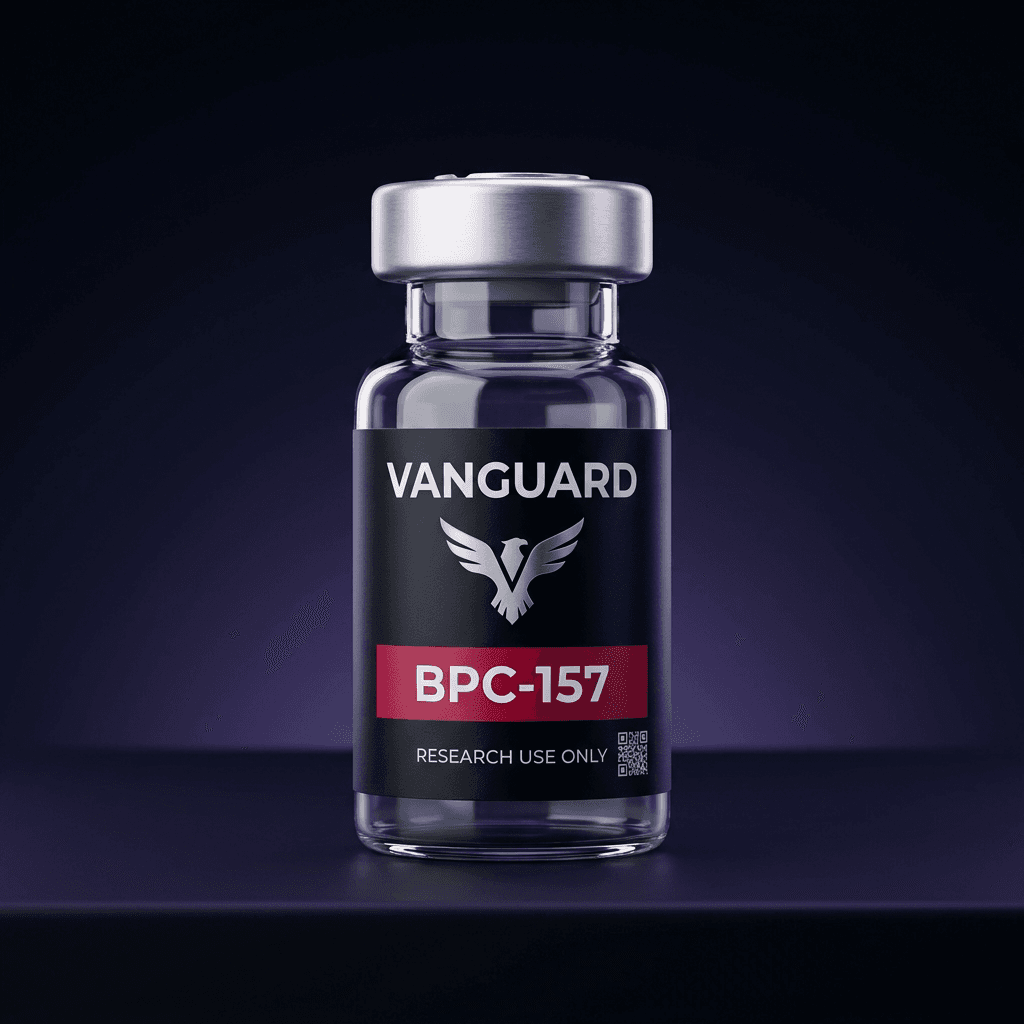
A synthetic peptide derived from a sequence identified in gastric juice, studied in preclinical models for tissue and tendon repair.
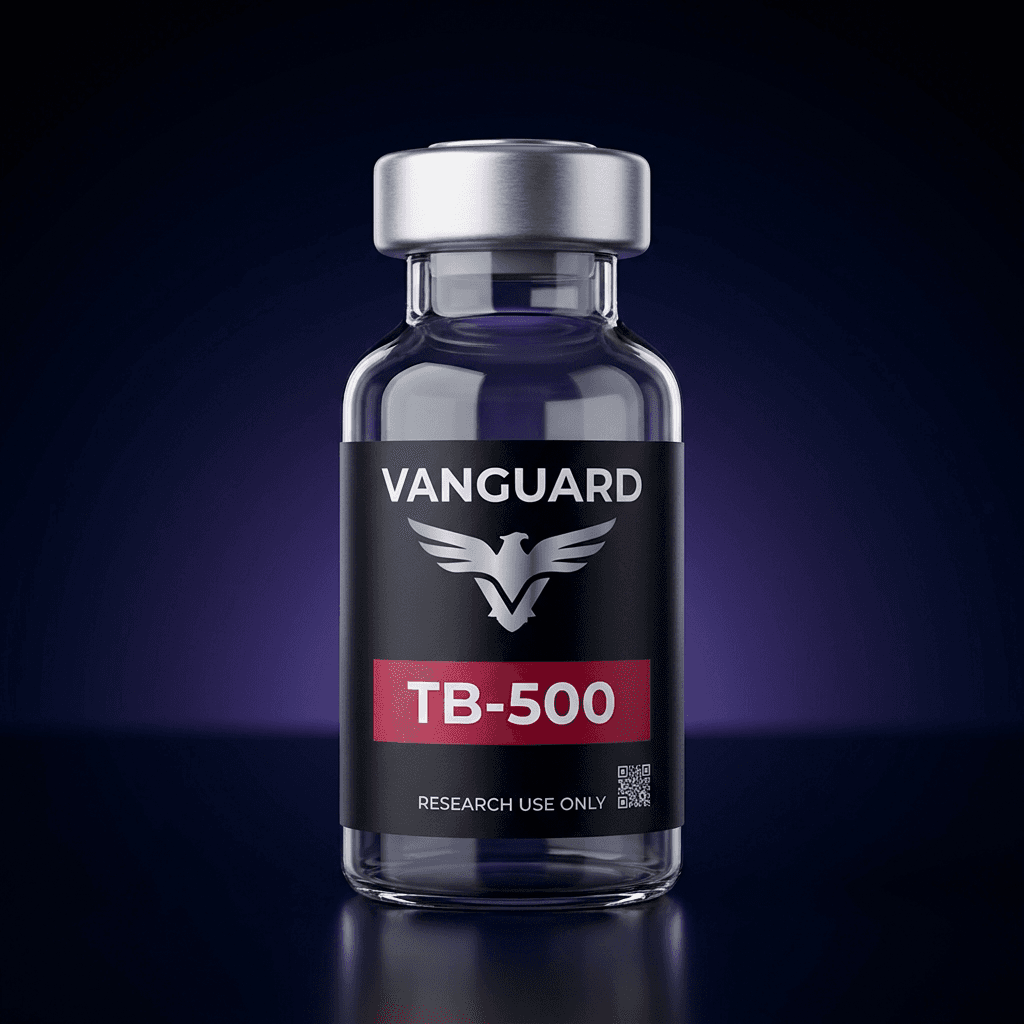
A synthetic fragment related to thymosin beta-4, studied in animal and laboratory models for tissue repair.
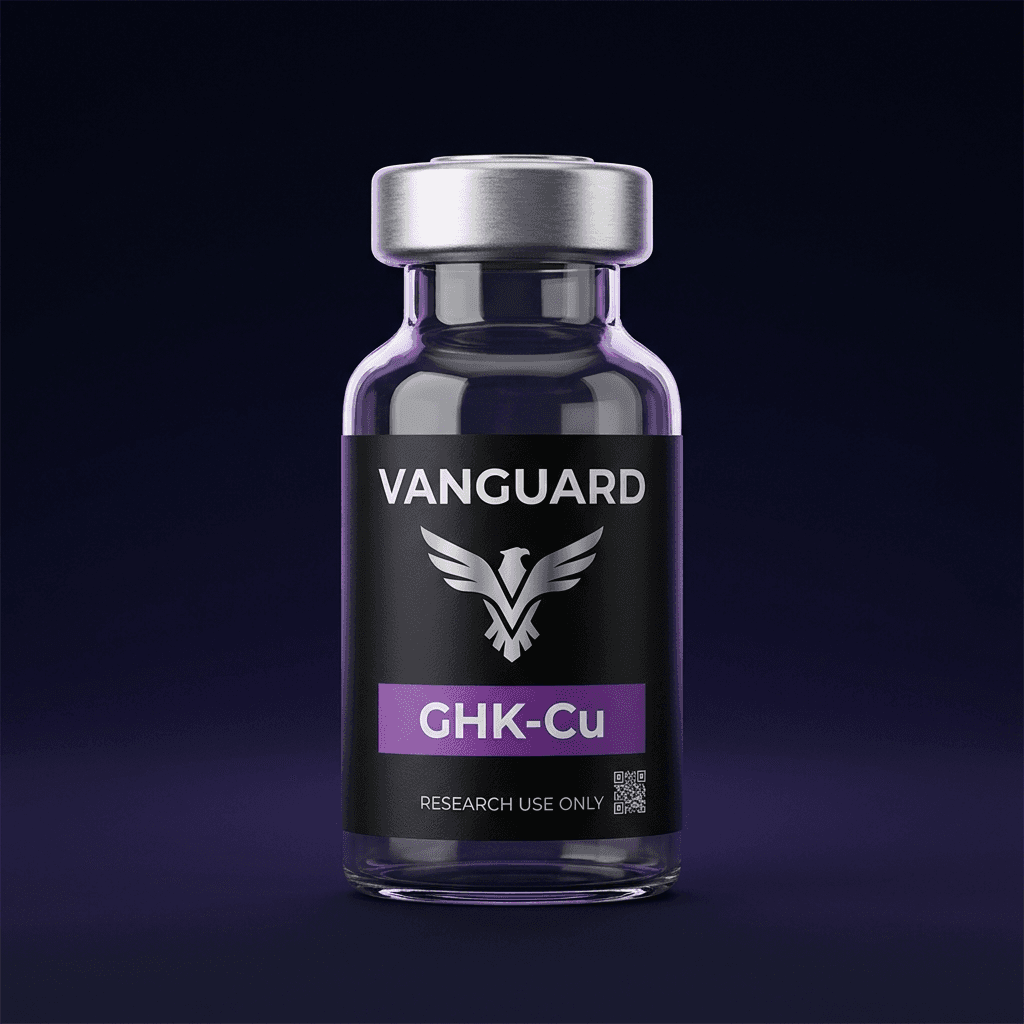
A copper-binding tripeptide studied primarily in topical/cosmetic contexts for skin.
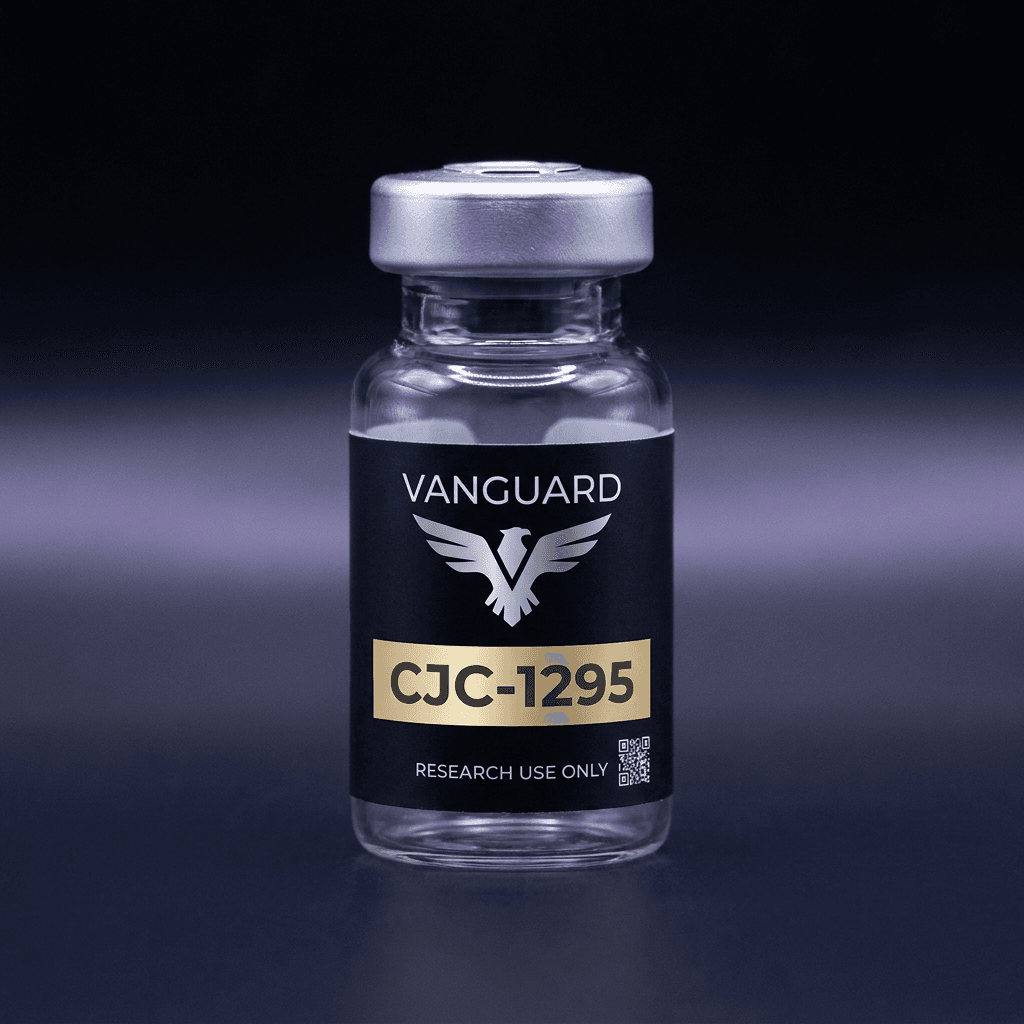
A growth-hormone-releasing hormone analogue studied for its effect on GH and IGF-1.
A growth-hormone secretagogue studied for its selective GH-releasing effect.
An investigational triple-agonist studied in large trials for weight and metabolic outcomes. Not FDA-approved and has no legal compounding pathway.
A short tripeptide fragment of alpha-MSH studied in preclinical models for inflammatory signalling.
A mitochondria-derived peptide studied for roles in metabolic regulation and exercise physiology.
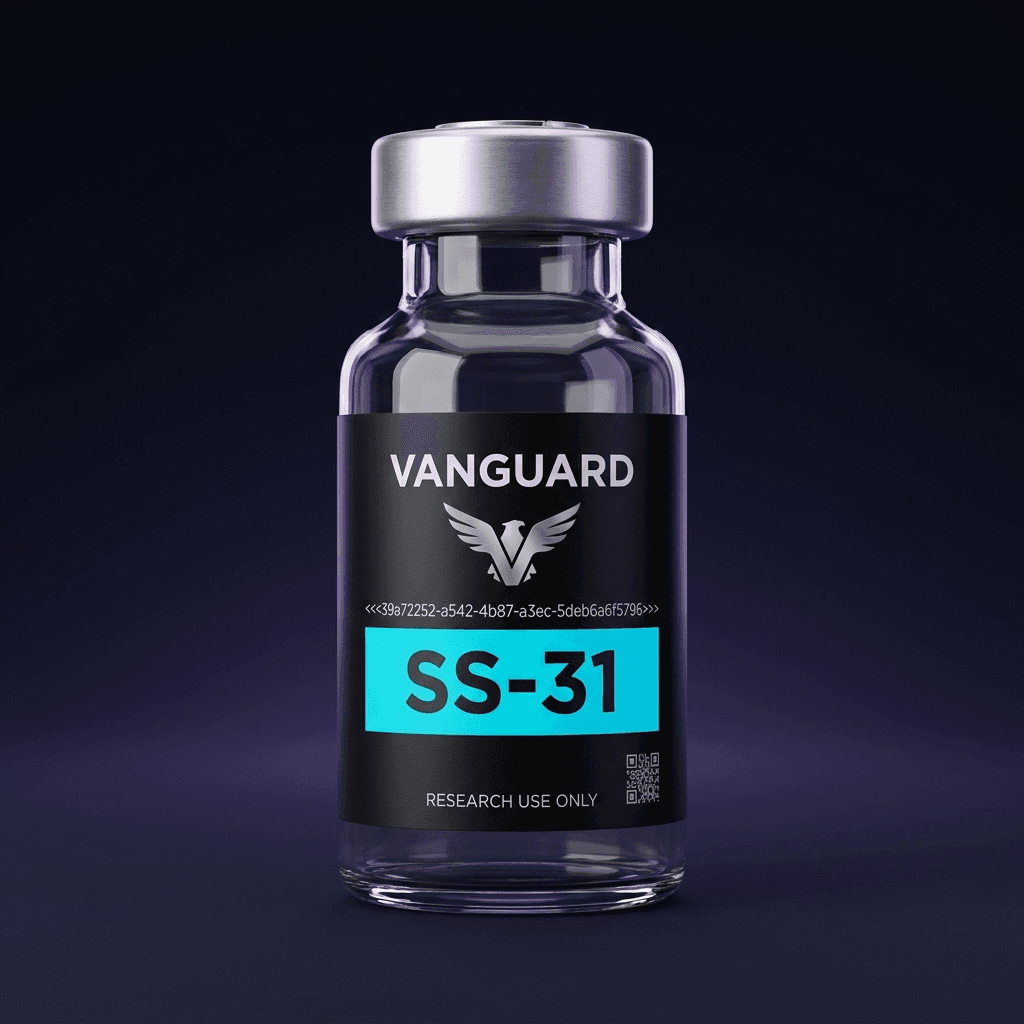
A mitochondria-targeting peptide that has been evaluated in human clinical trials for mitochondrial disease indications.
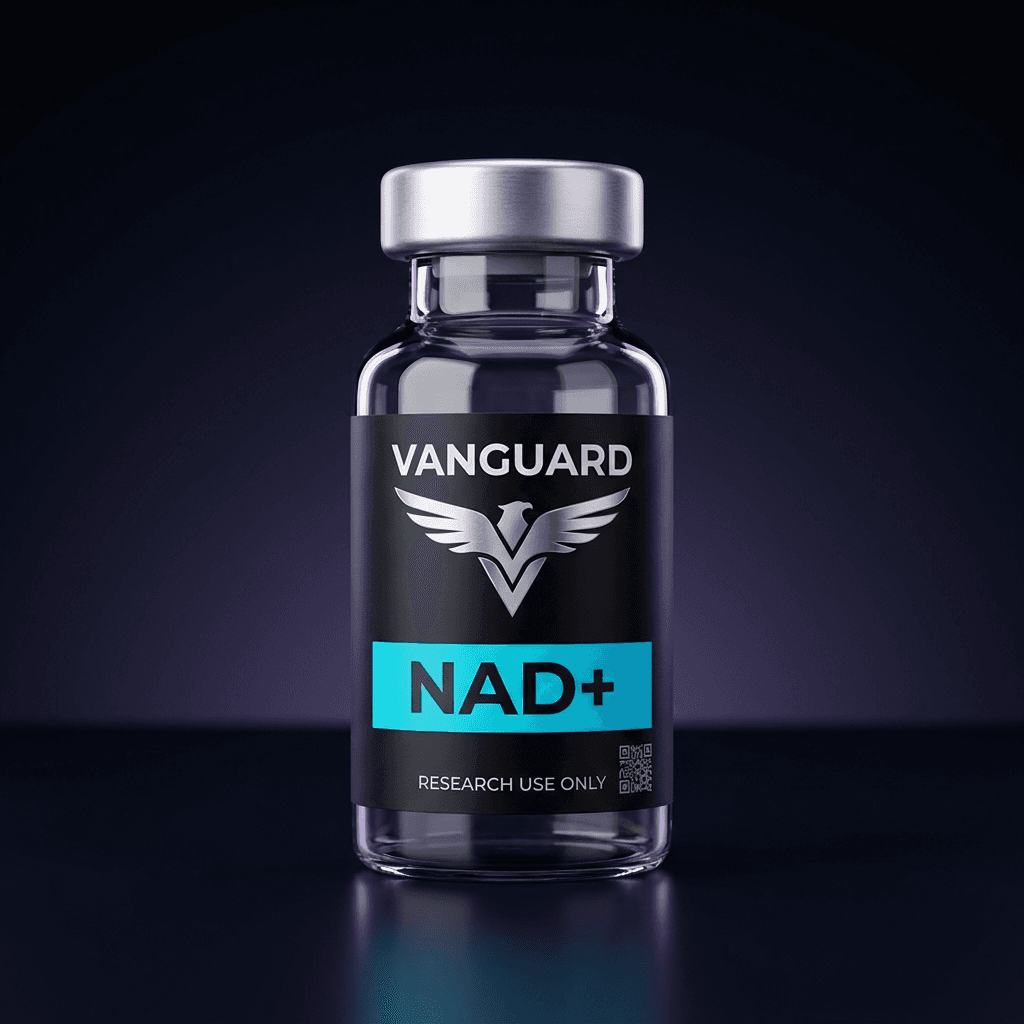
A coenzyme central to cellular energy metabolism. Precursors are widely studied; direct NAD+ administration is less well characterised.
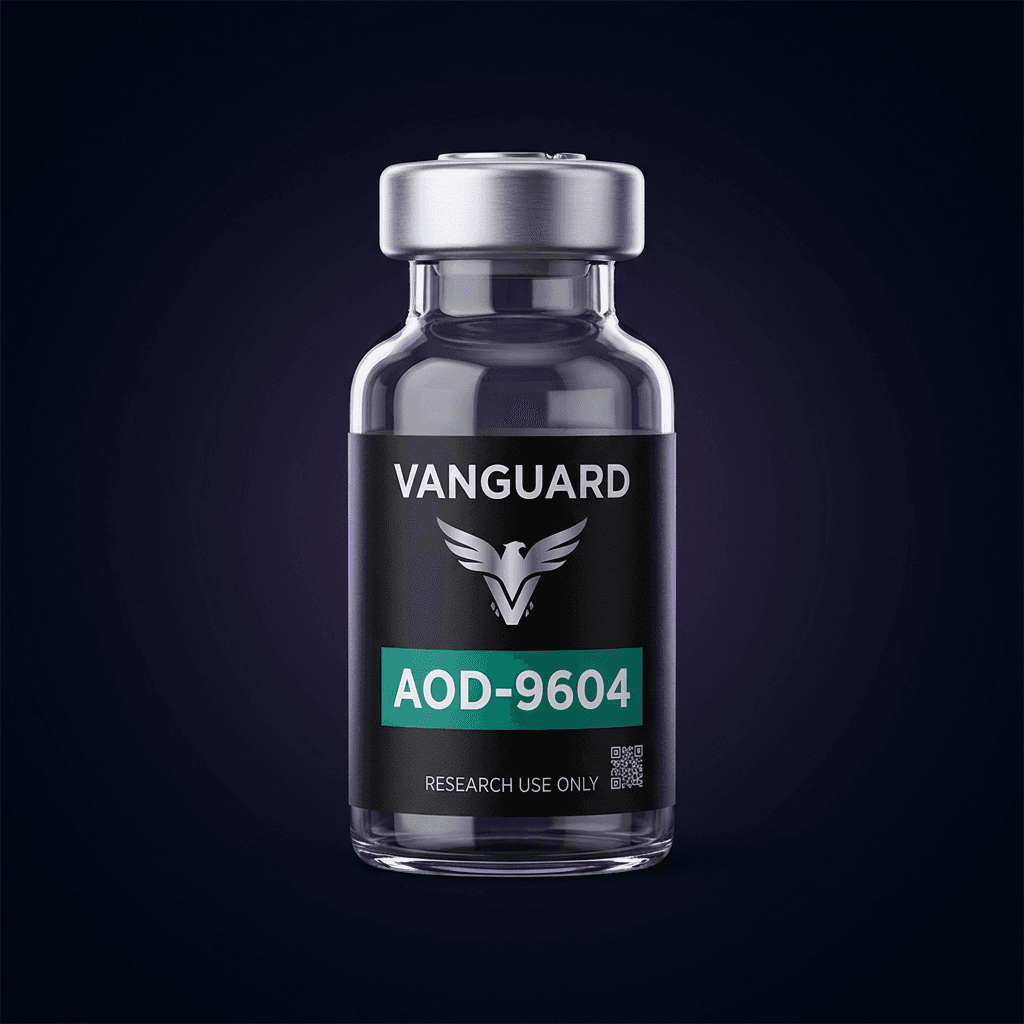
A modified fragment of the human growth hormone molecule, studied in preclinical models for effects on fat metabolism without the full growth-signalling profile of intact hGH.
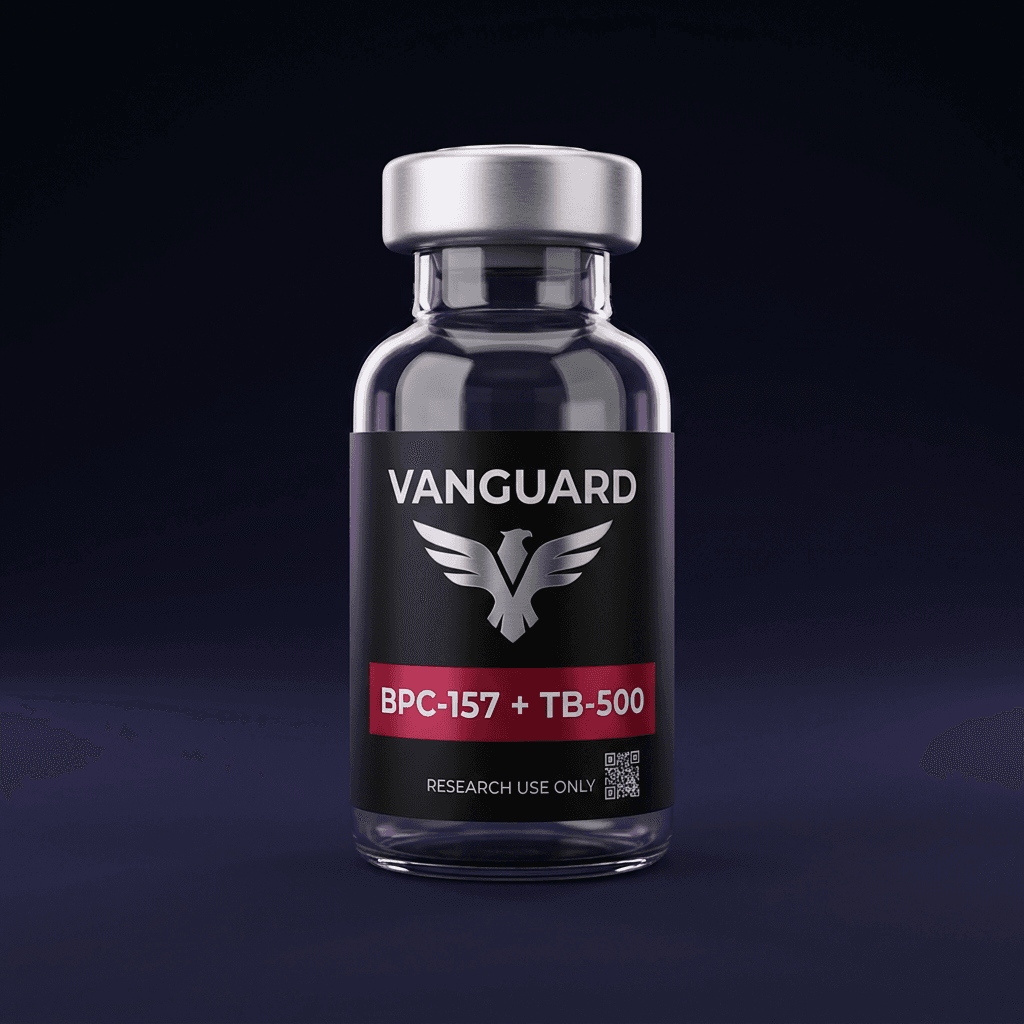
A combination preparation containing two peptides studied separately in preclinical tissue-repair models. Blends are supplied for research convenience; combination effects have not been characterised in controlled human trials.
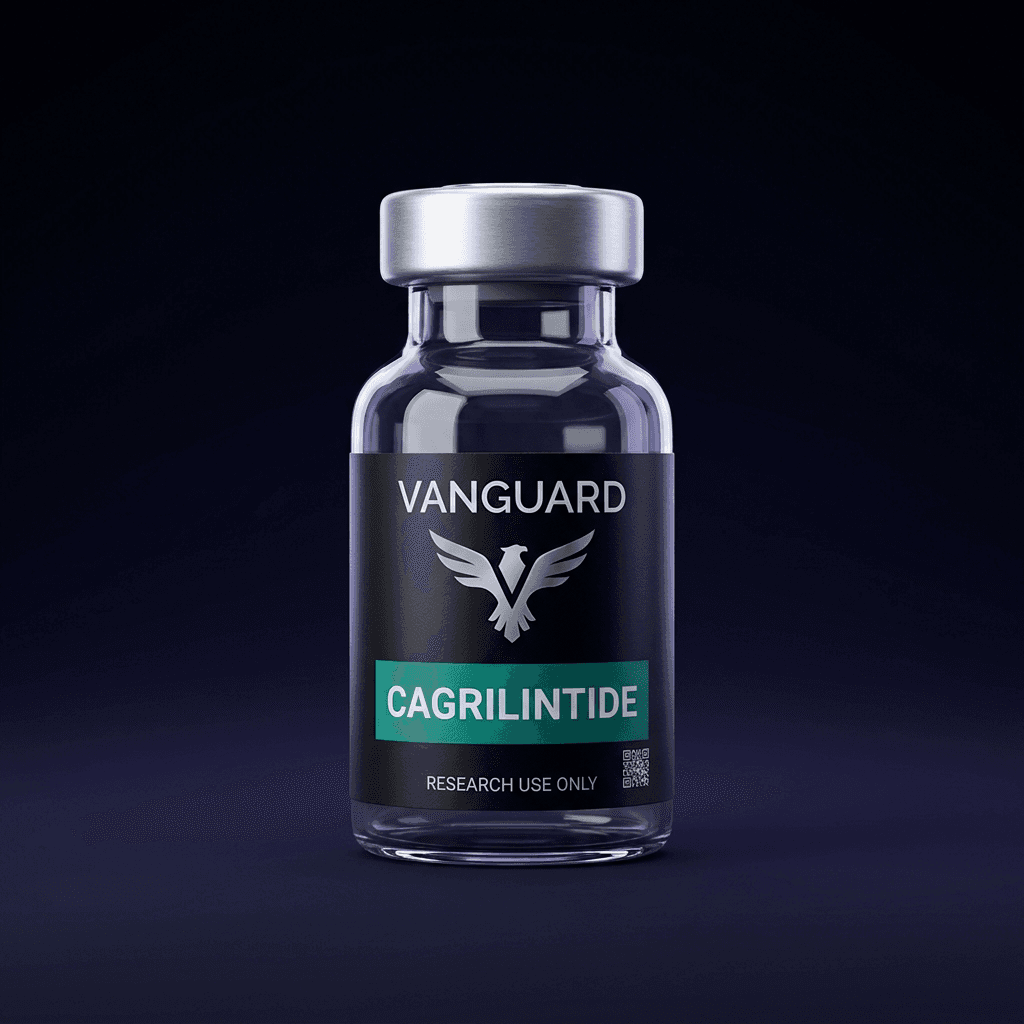
A long-acting amylin analogue under clinical investigation for metabolic and appetite-regulation research, studied both alone and alongside GLP-1 receptor agonists.
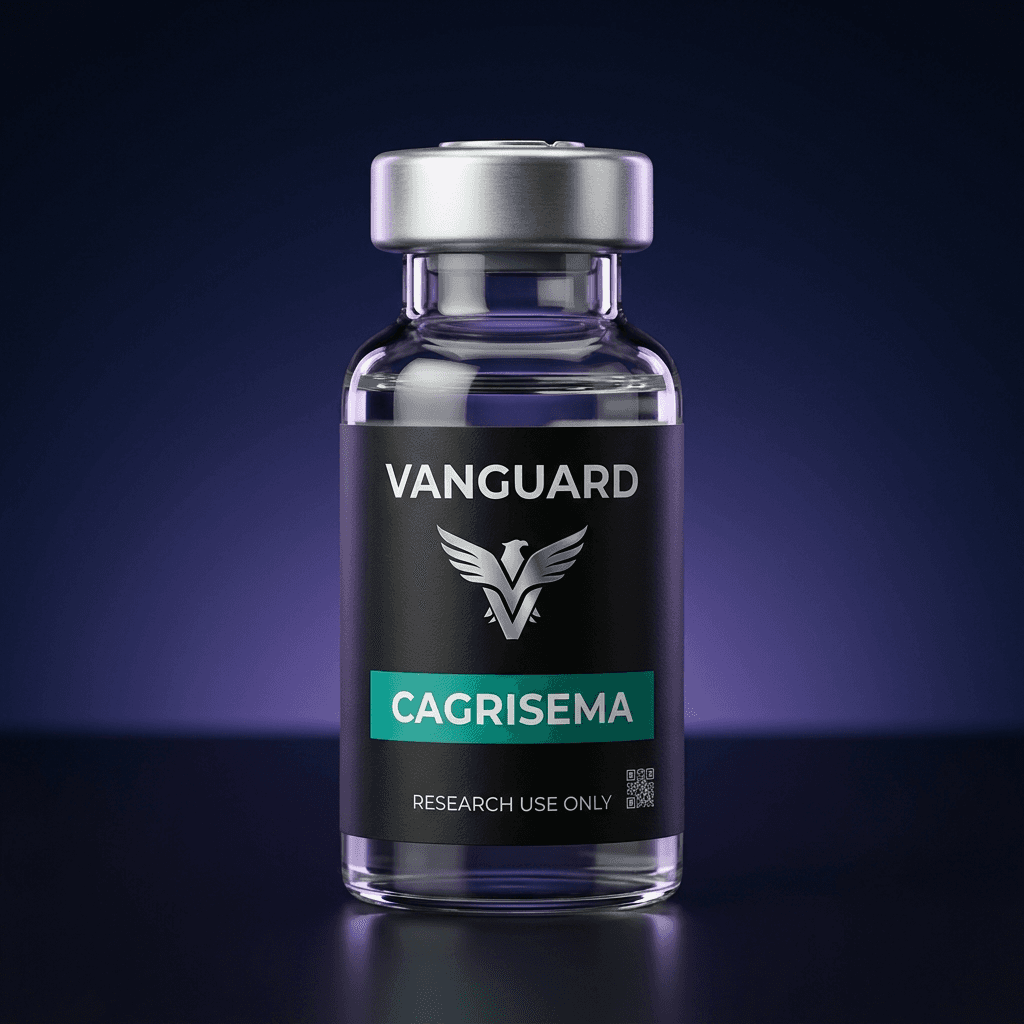
A combination preparation of an amylin analogue with a GLP-1 receptor agonist, under clinical investigation for metabolic research.
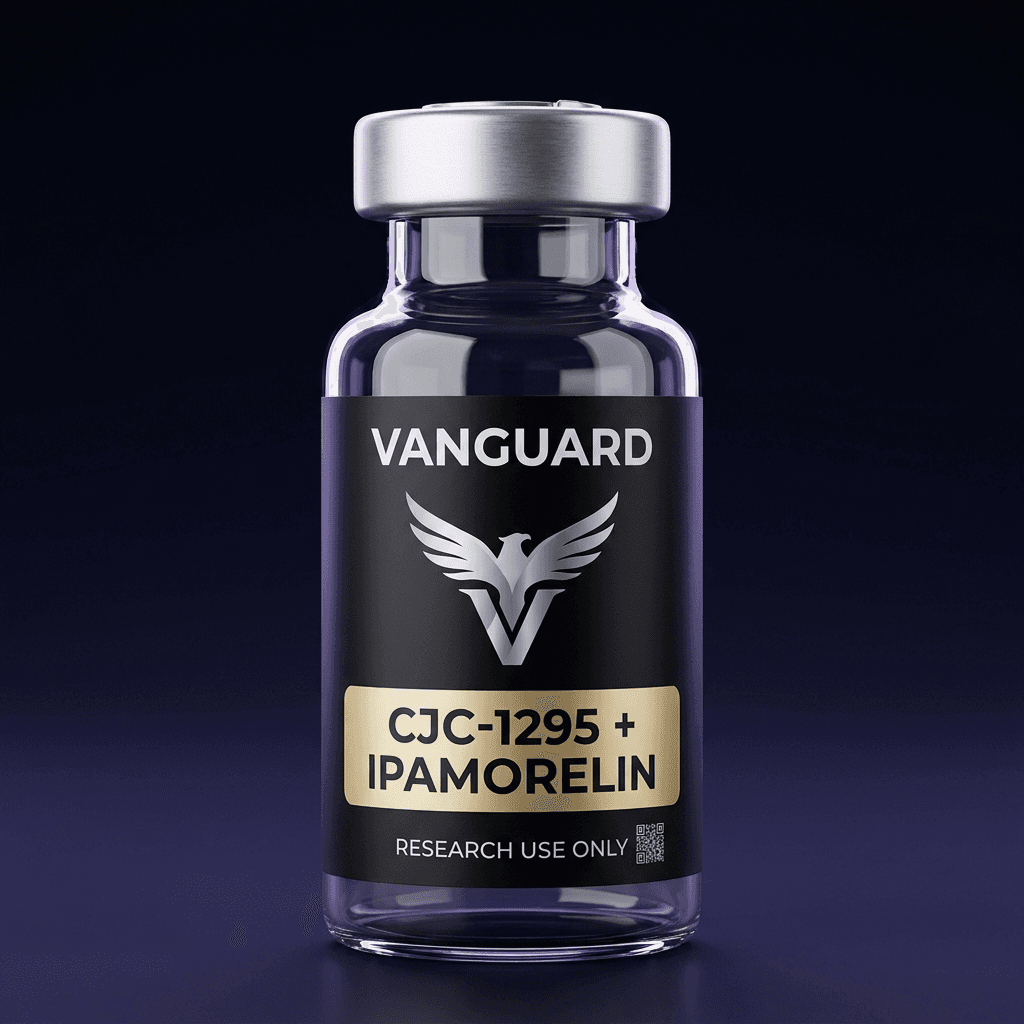
A combination preparation of a GHRH analogue and a ghrelin-receptor agonist, supplied together for research convenience.
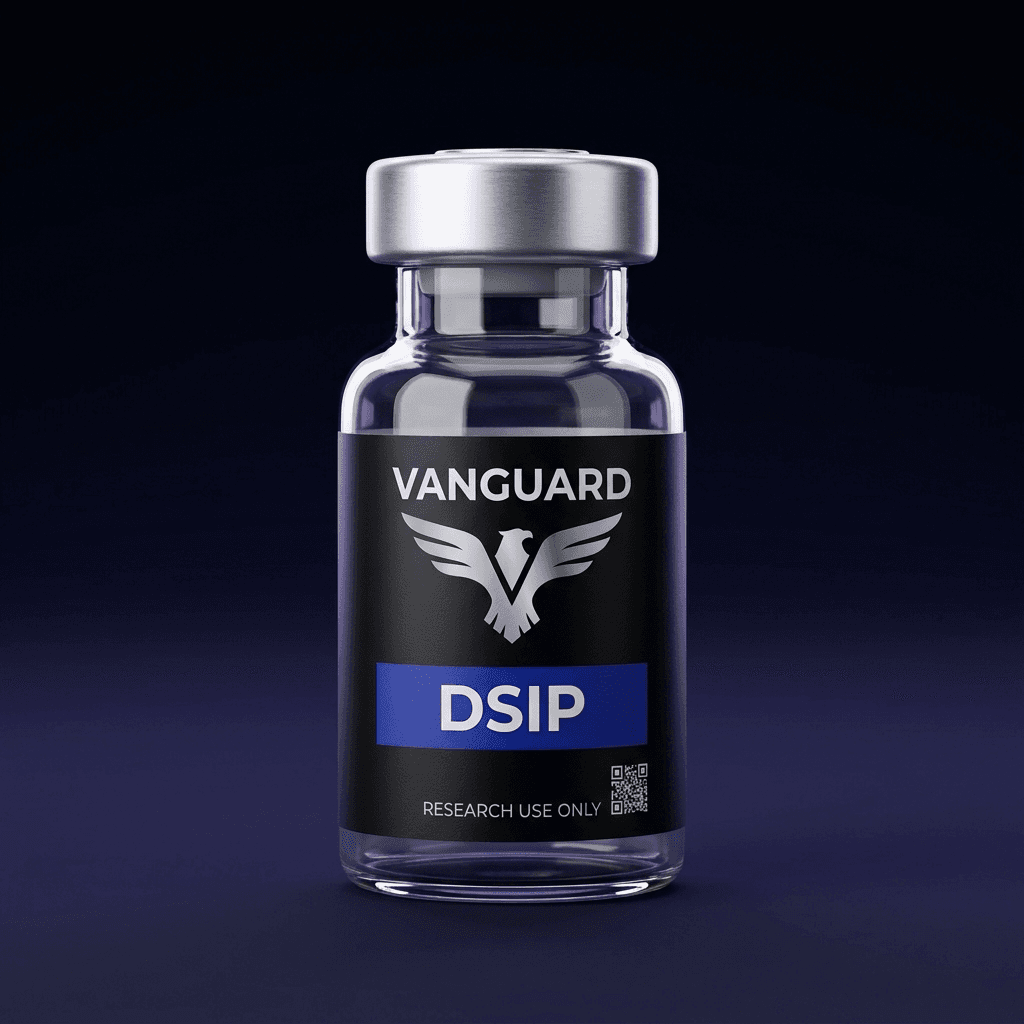
A nonapeptide first isolated in the 1970s from cerebral venous blood in animal studies, investigated for possible relationships to sleep-phase regulation.
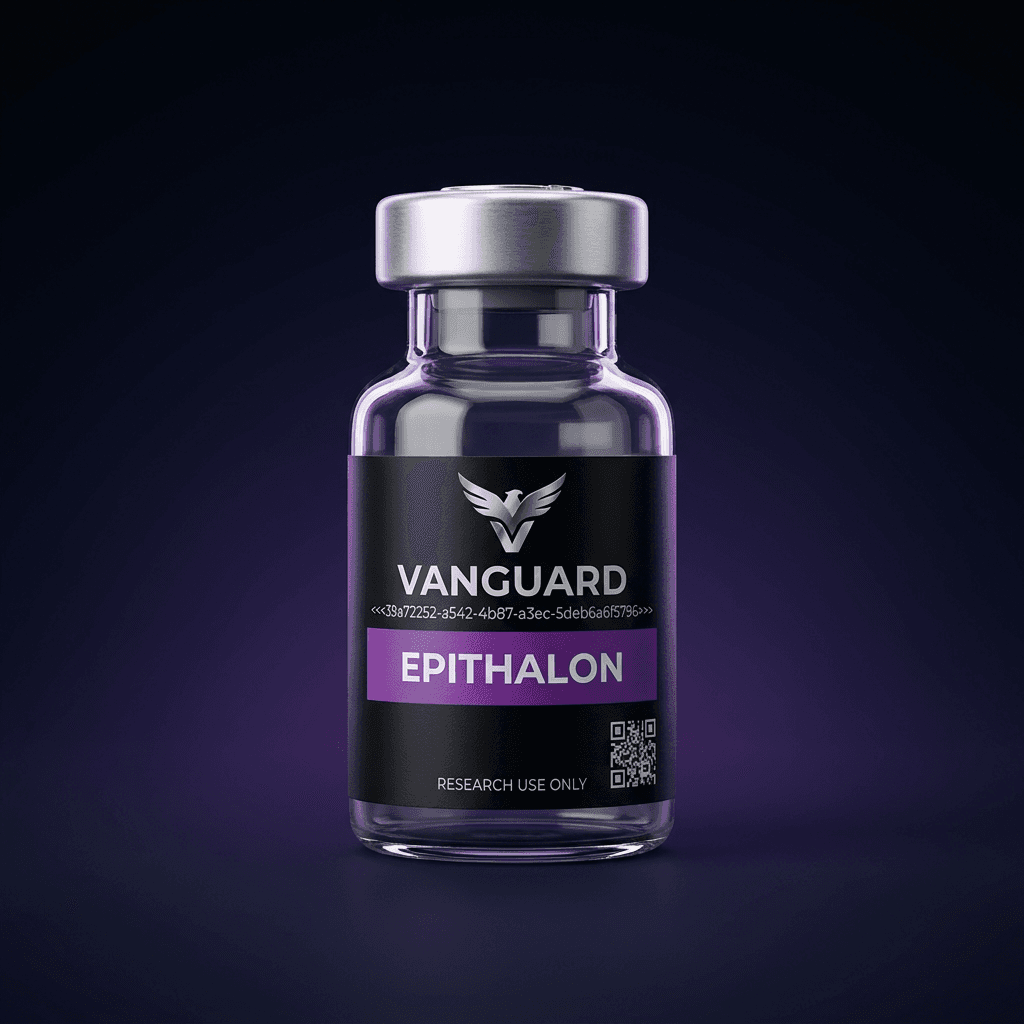
A synthetic tetrapeptide studied primarily in Russian-language literature for reported effects on telomerase activity and pineal function in animal models.
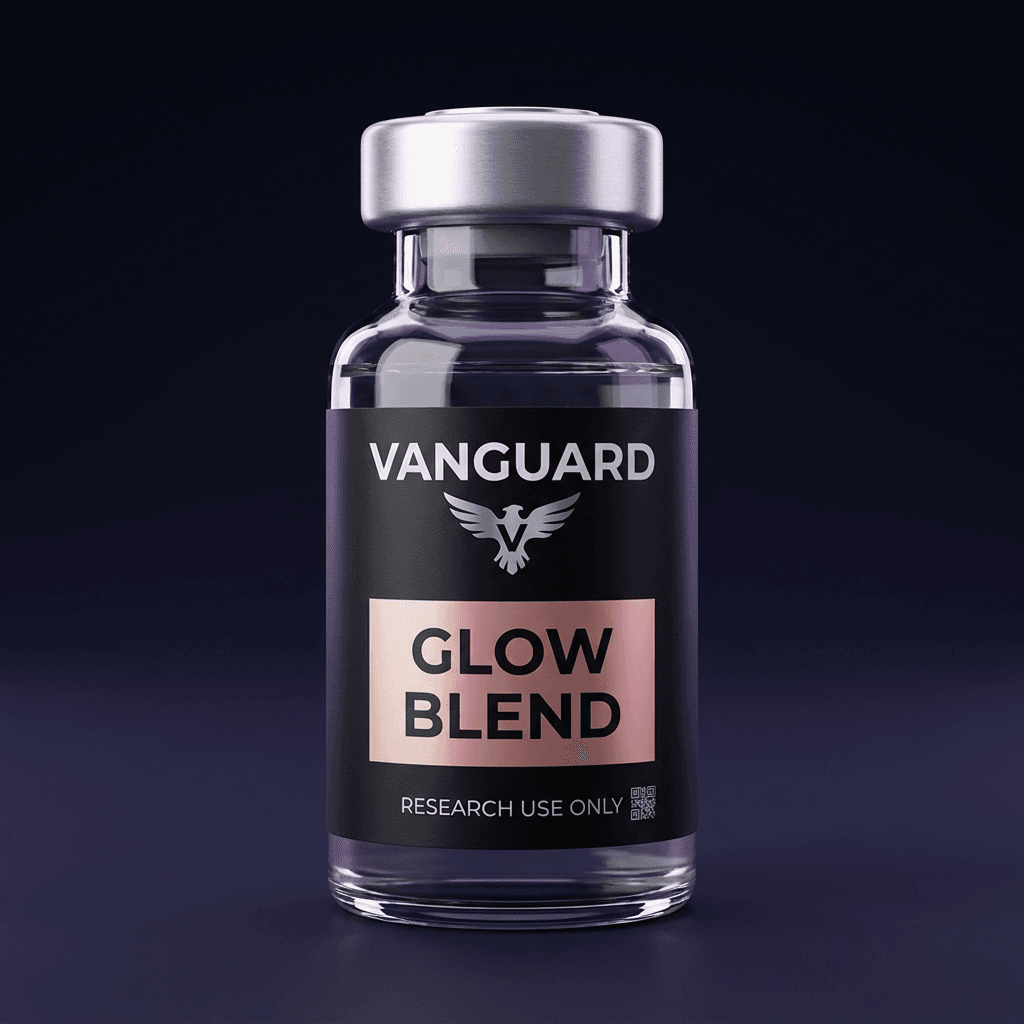
A multi-peptide research preparation combining compounds studied individually in tissue and dermal research models.
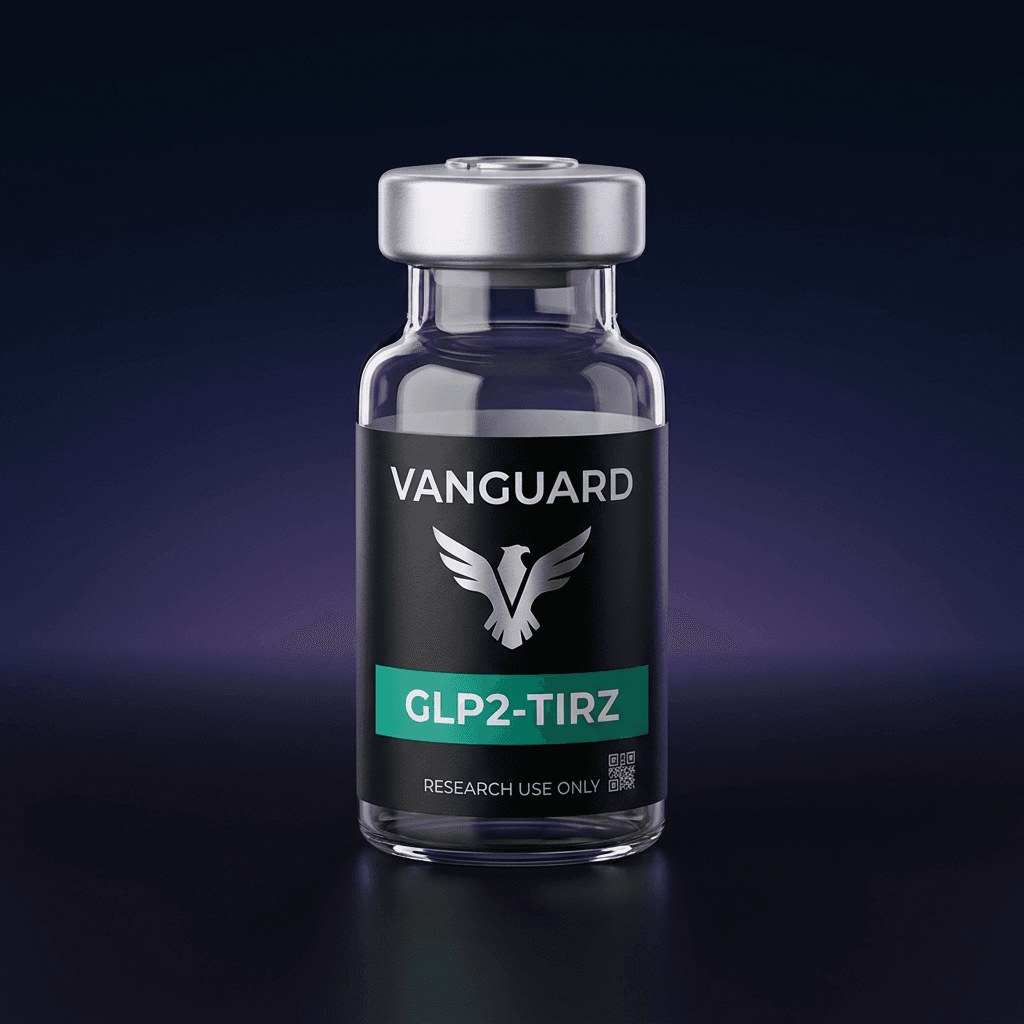
A dual GIP/GLP-1 receptor agonist analogue. The reference molecule has been extensively studied in large controlled trials and is the active ingredient of FDA-approved prescription products.
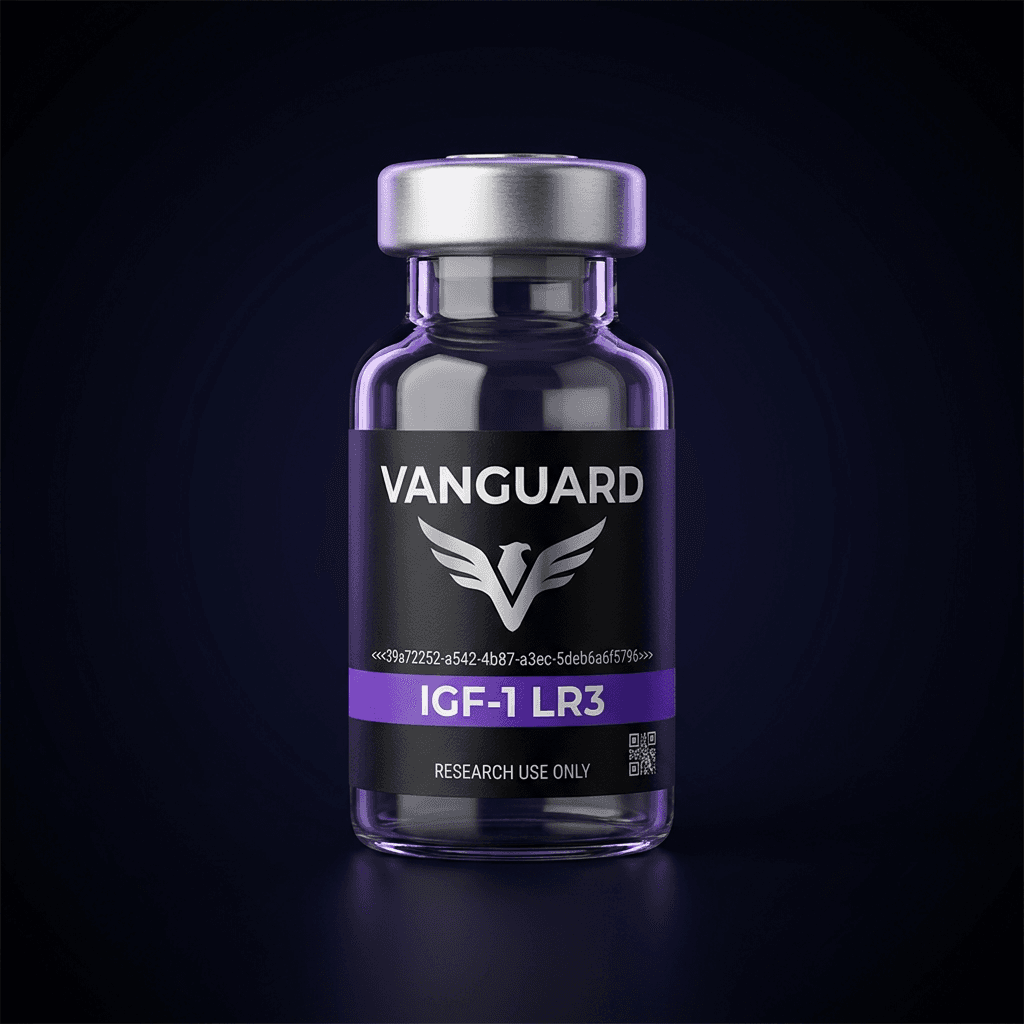
A modified insulin-like growth factor analogue with reduced binding-protein affinity, used widely as a cell-culture supplement in laboratory research.
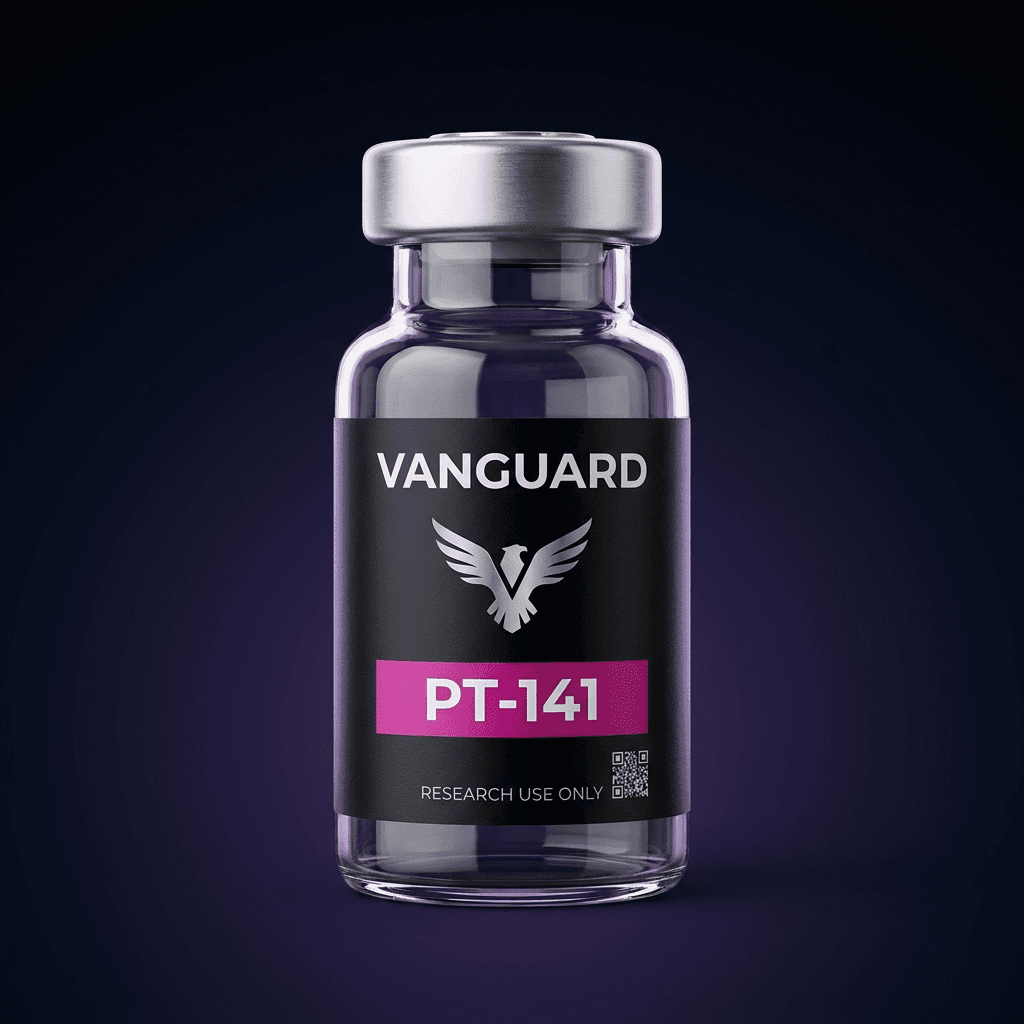
A melanocortin receptor agonist. The reference molecule completed clinical trials and is the active ingredient of an FDA-approved prescription product for a specific indication.
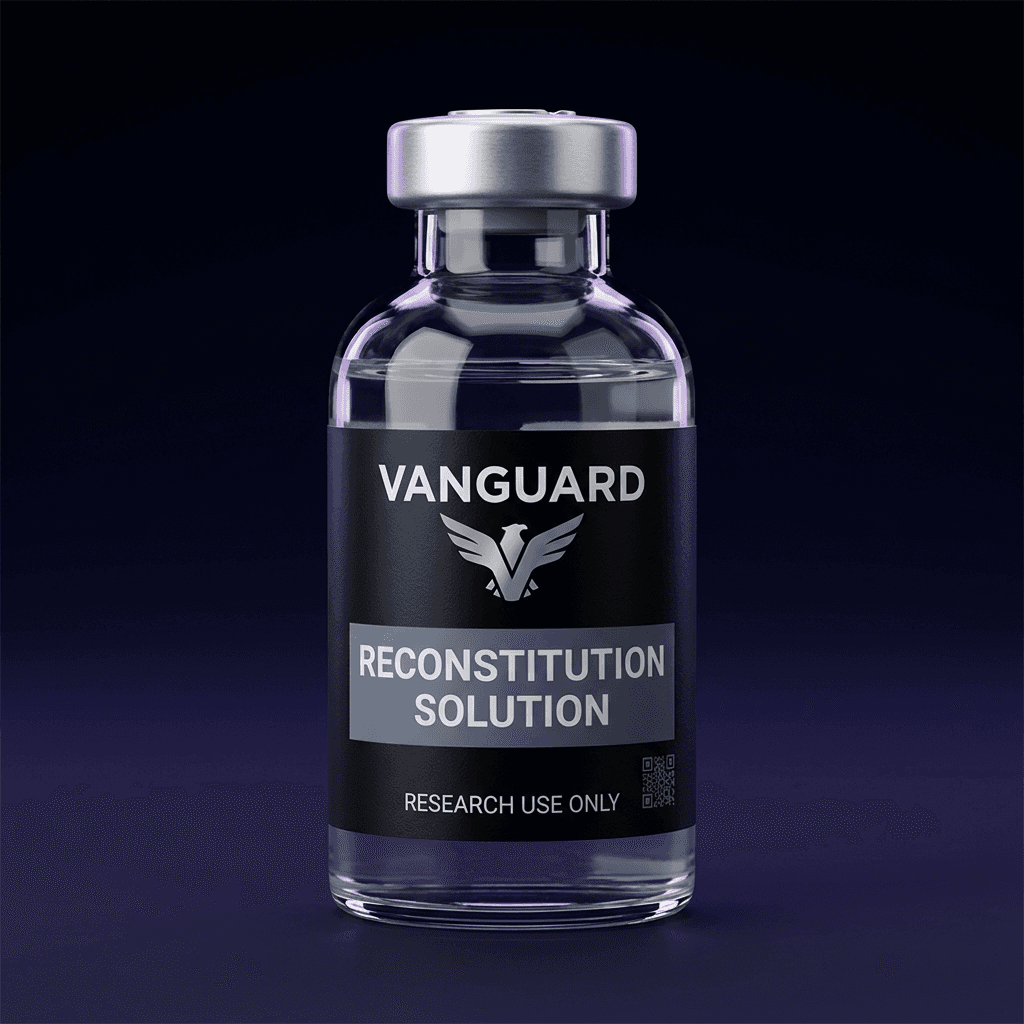
A sterile diluent used in laboratory settings to reconstitute lyophilised research materials for in-vitro work and analysis.
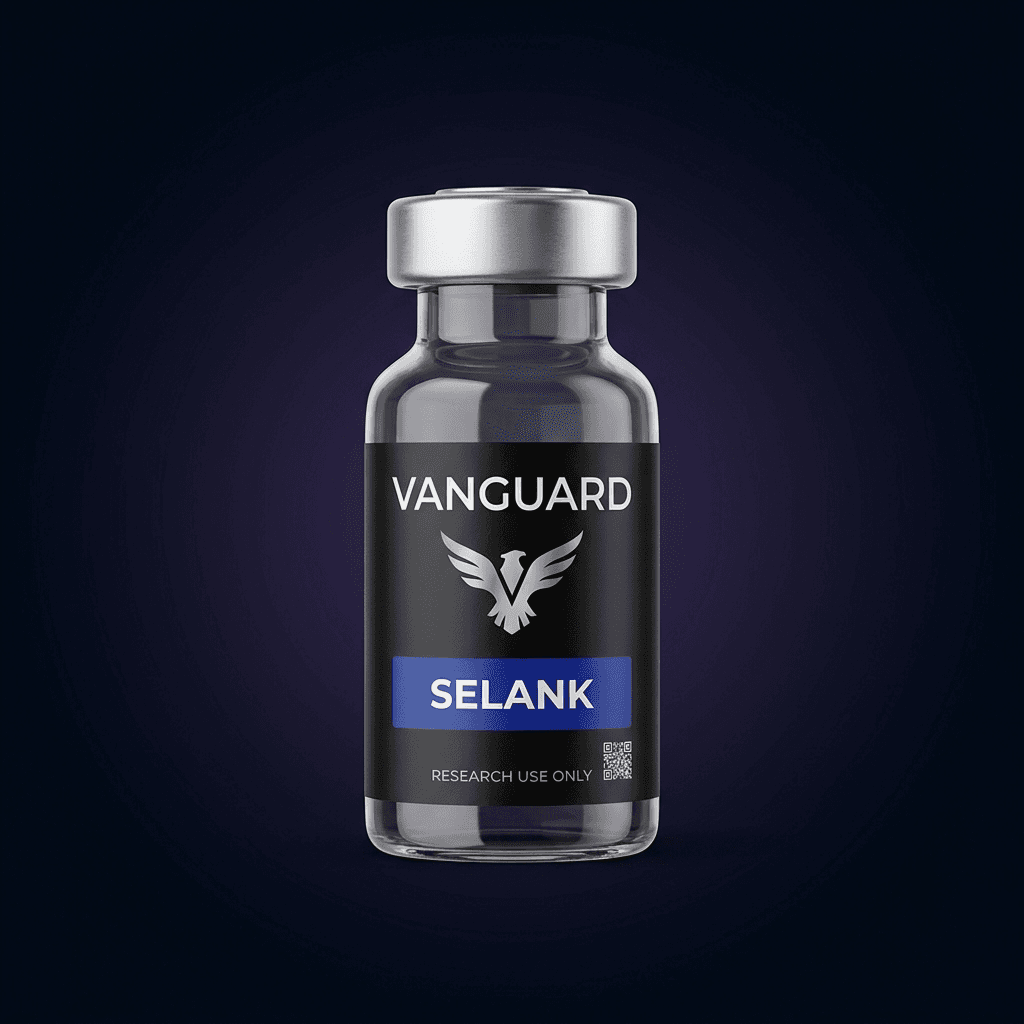
A synthetic heptapeptide derived from tuftsin, studied primarily in Russian research literature for effects on anxiety-related behaviour in animal models.
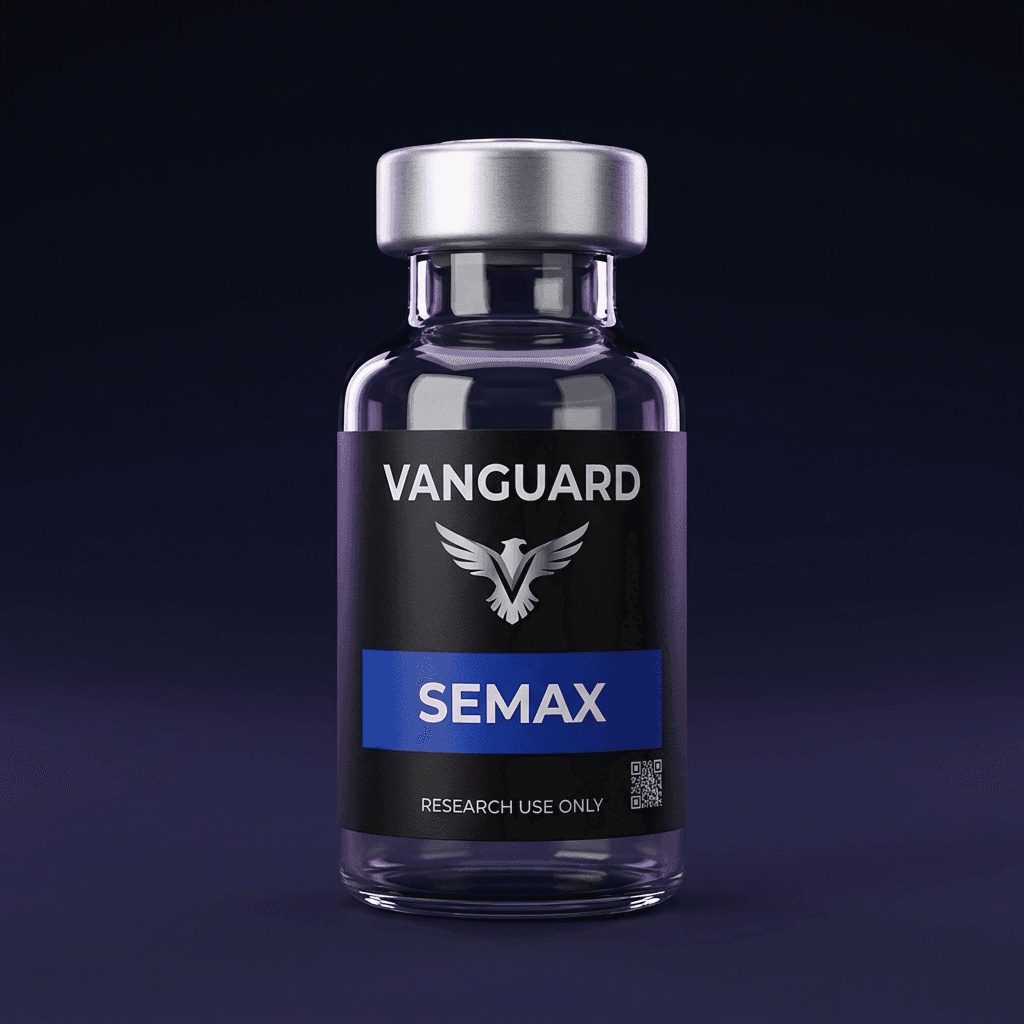
A synthetic peptide derived from a fragment of adrenocorticotropic hormone, studied largely in Russian literature for neuroprotective and cognitive endpoints in animal models.
A growth-hormone-releasing hormone analogue comprising the first 29 amino acids of GHRH. Historically used diagnostically before withdrawal from the US market for commercial reasons.
A stabilised GHRH analogue. The reference molecule completed controlled clinical trials and is the active ingredient of an FDA-approved prescription product for a specific, narrow indication.
A 28-amino-acid peptide derived from prothymosin alpha, studied for immunomodulatory activity. Approved for certain indications in some jurisdictions but not by the FDA.
A copper-binding tripeptide related to GHK-Cu, studied primarily in topical and cosmetic research contexts for hair and scalp applications.
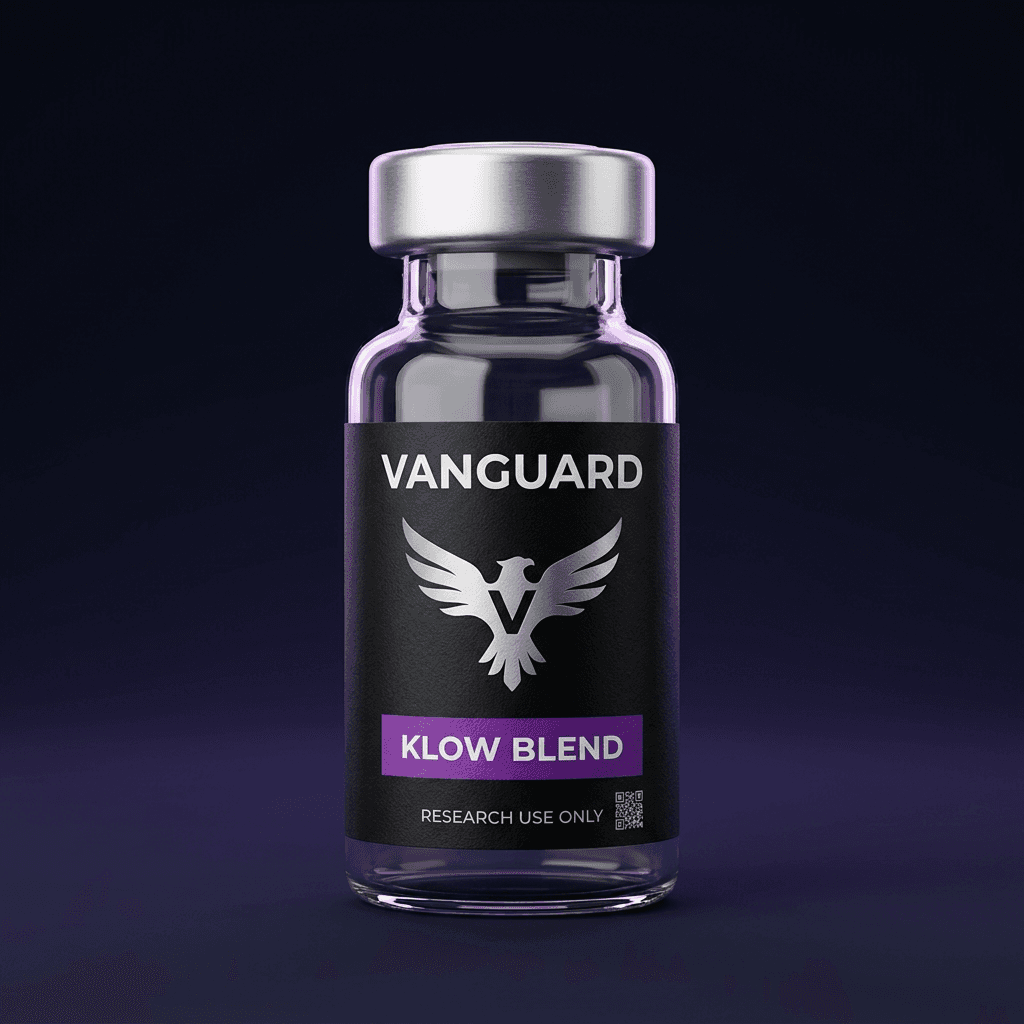
A four-component research preparation combining copper peptide, thymosin fragment, gastric pentadecapeptide, and a tripeptide studied in inflammation models.
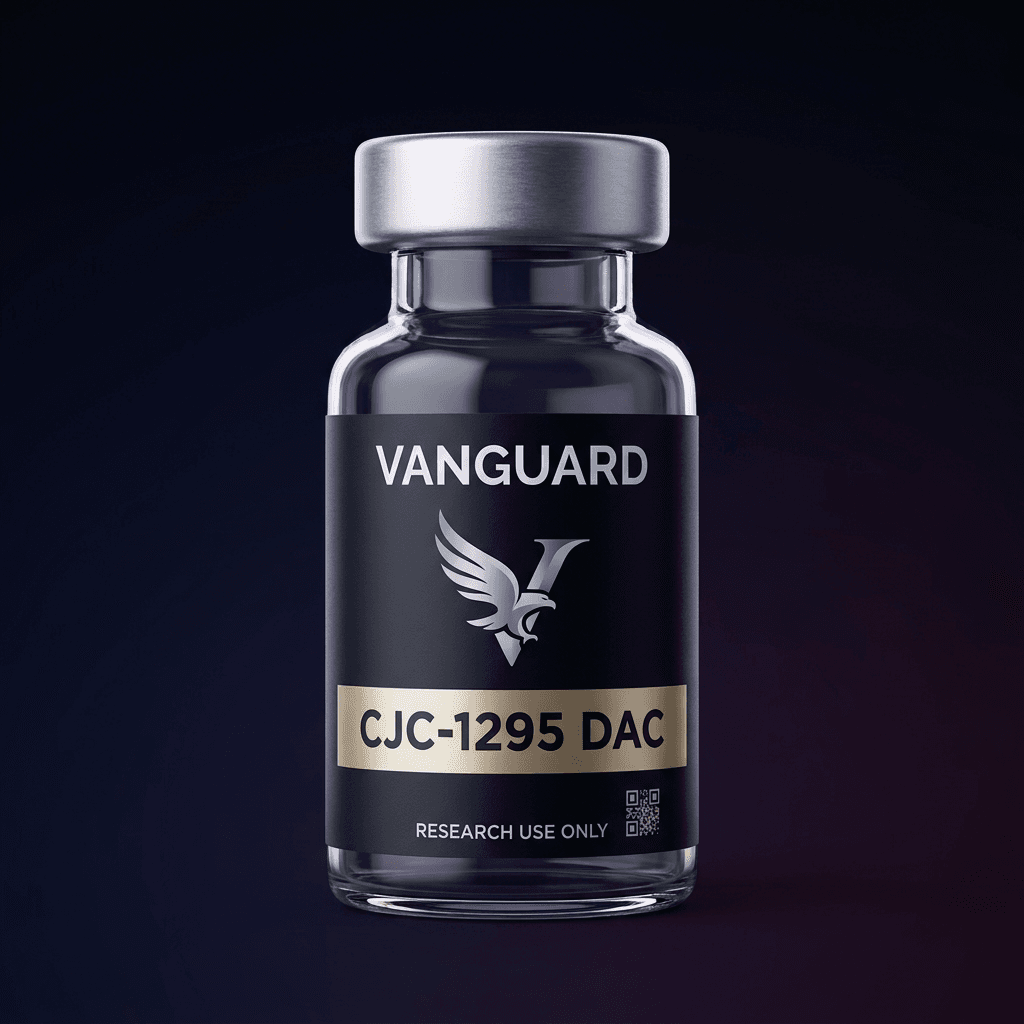
A GHRH analogue incorporating a drug affinity complex that substantially extends its half-life compared with the non-DAC form.
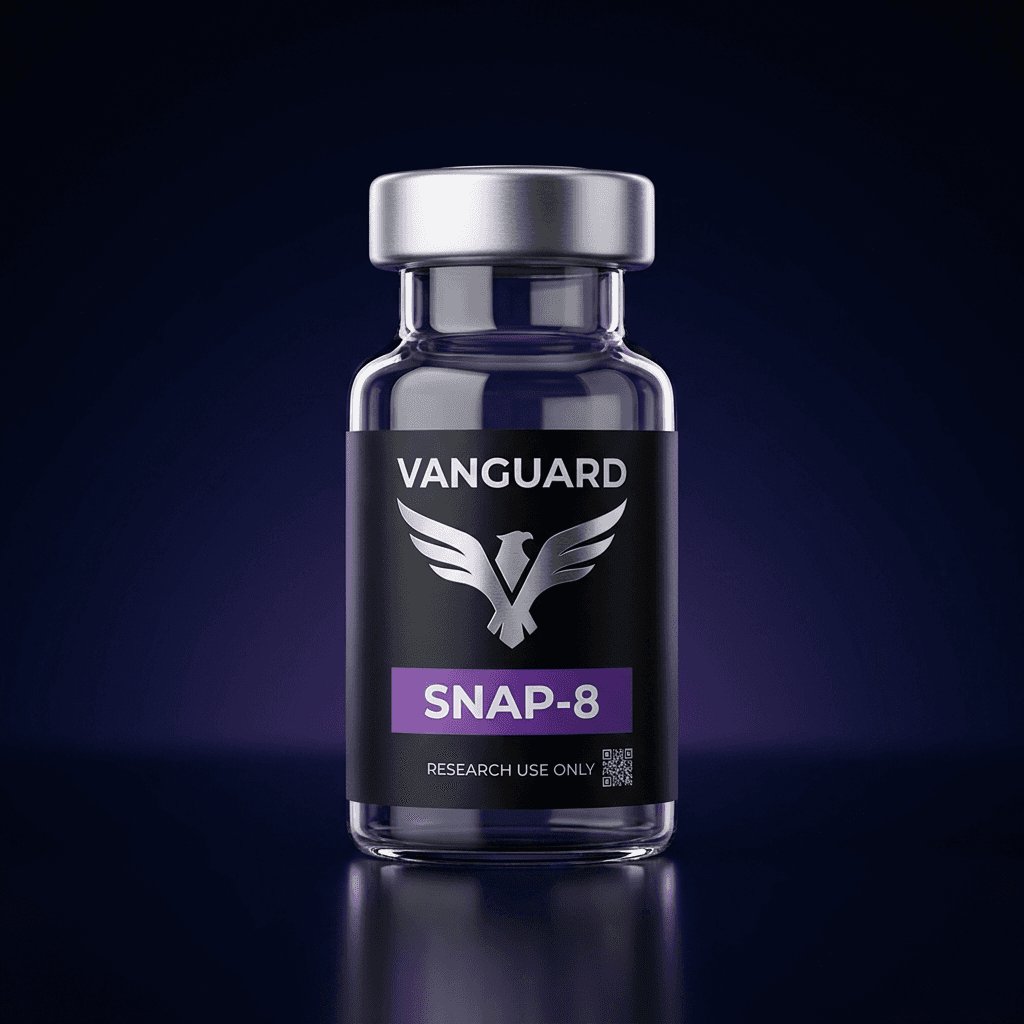
An eight-amino-acid peptide used widely as a topical cosmetic ingredient, studied for effects on expression-line appearance.
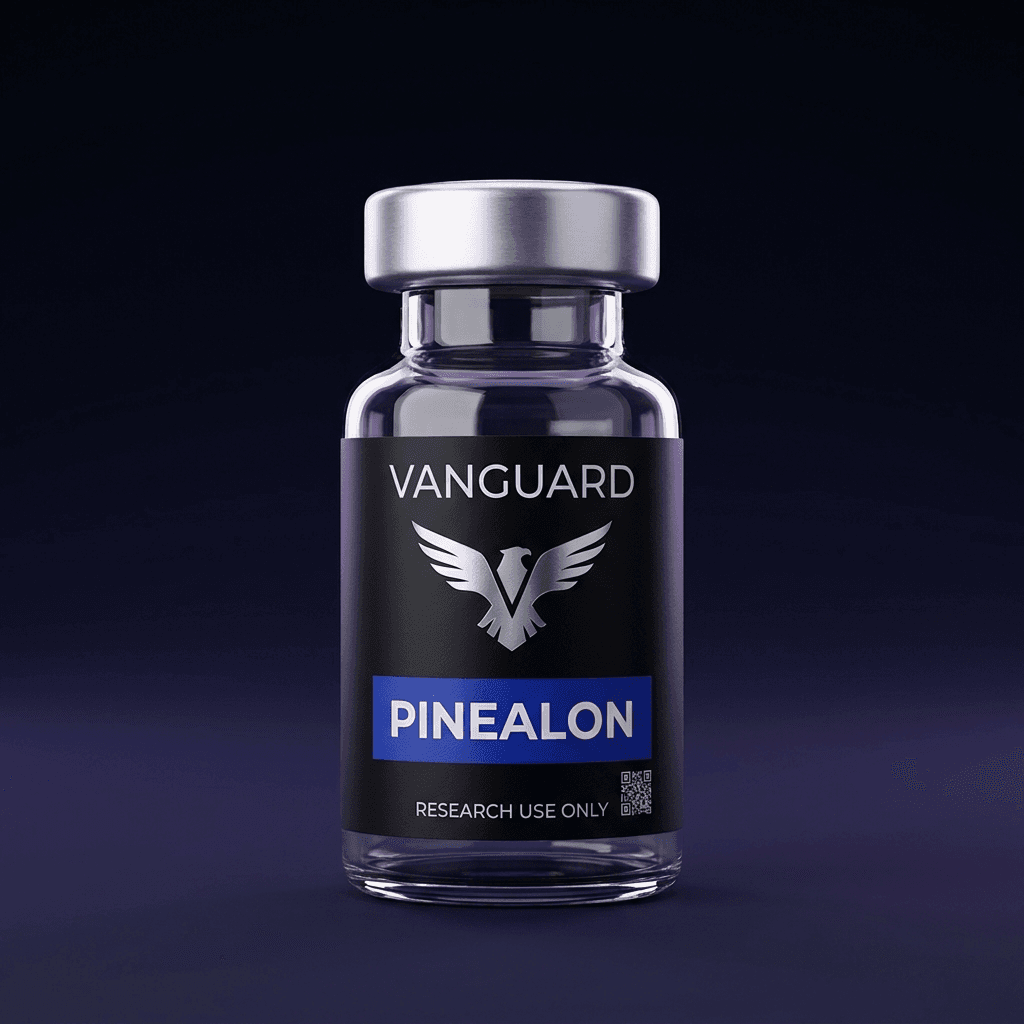
A synthetic tripeptide studied primarily in Russian-language literature for reported neuroprotective effects in animal models.
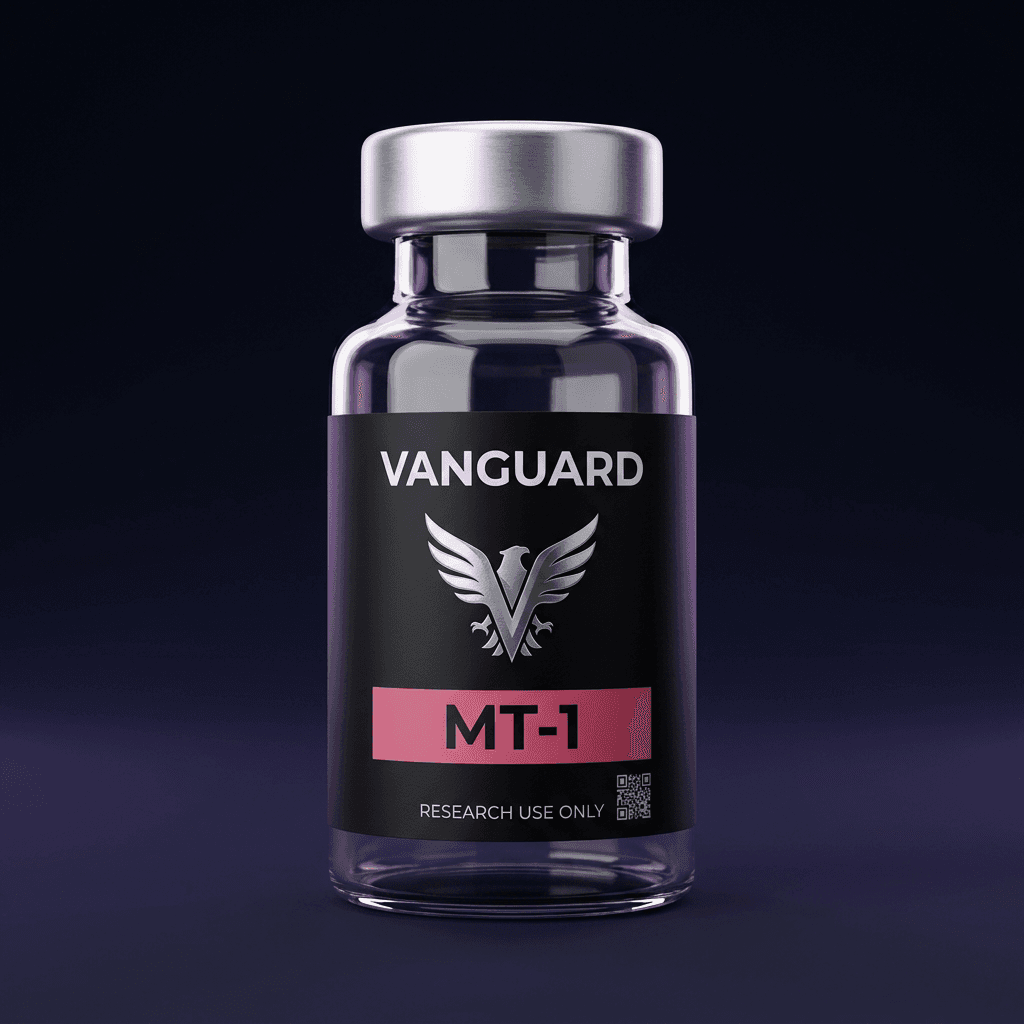
An alpha-MSH analogue studied for effects on melanogenesis. A related molecule holds narrow regulatory approval in some jurisdictions for a rare photosensitivity condition.
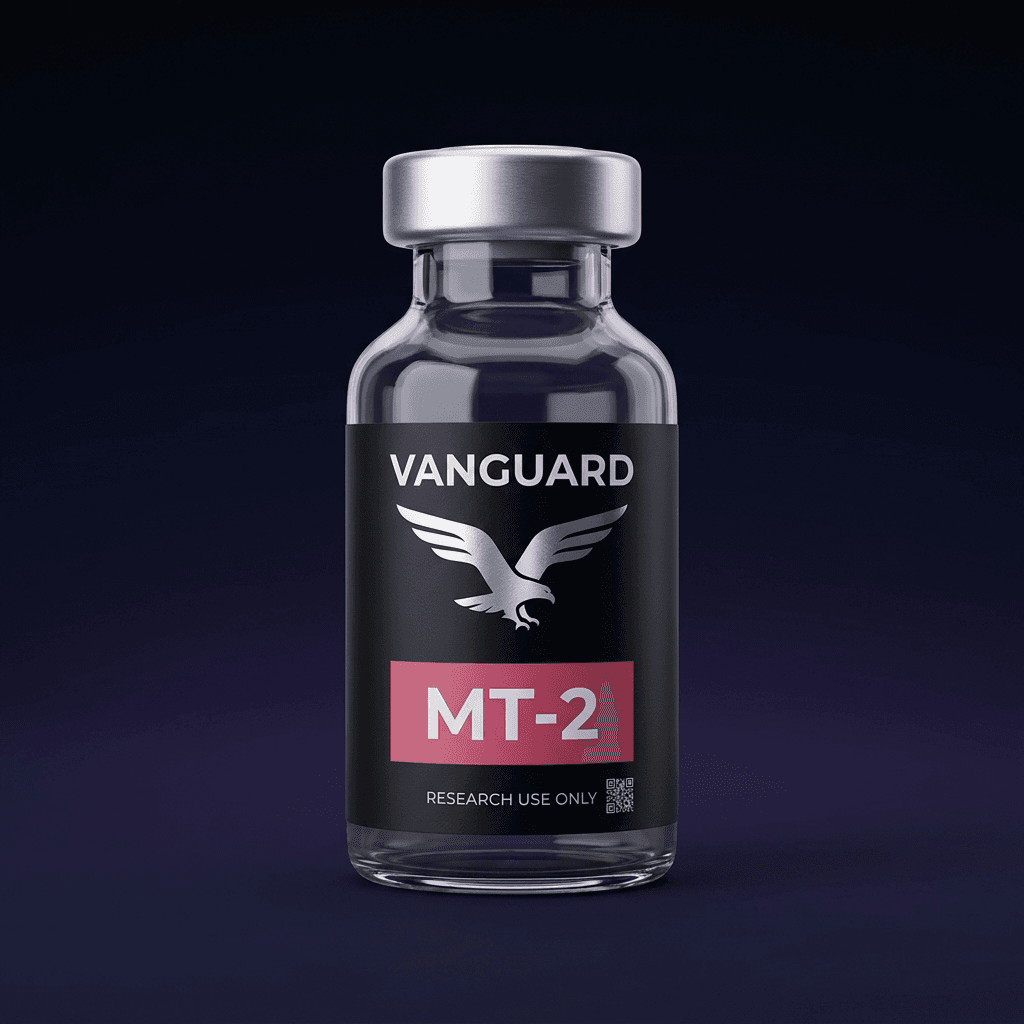
A non-selective melanocortin receptor agonist studied for pigmentation effects. Never approved by any regulator.
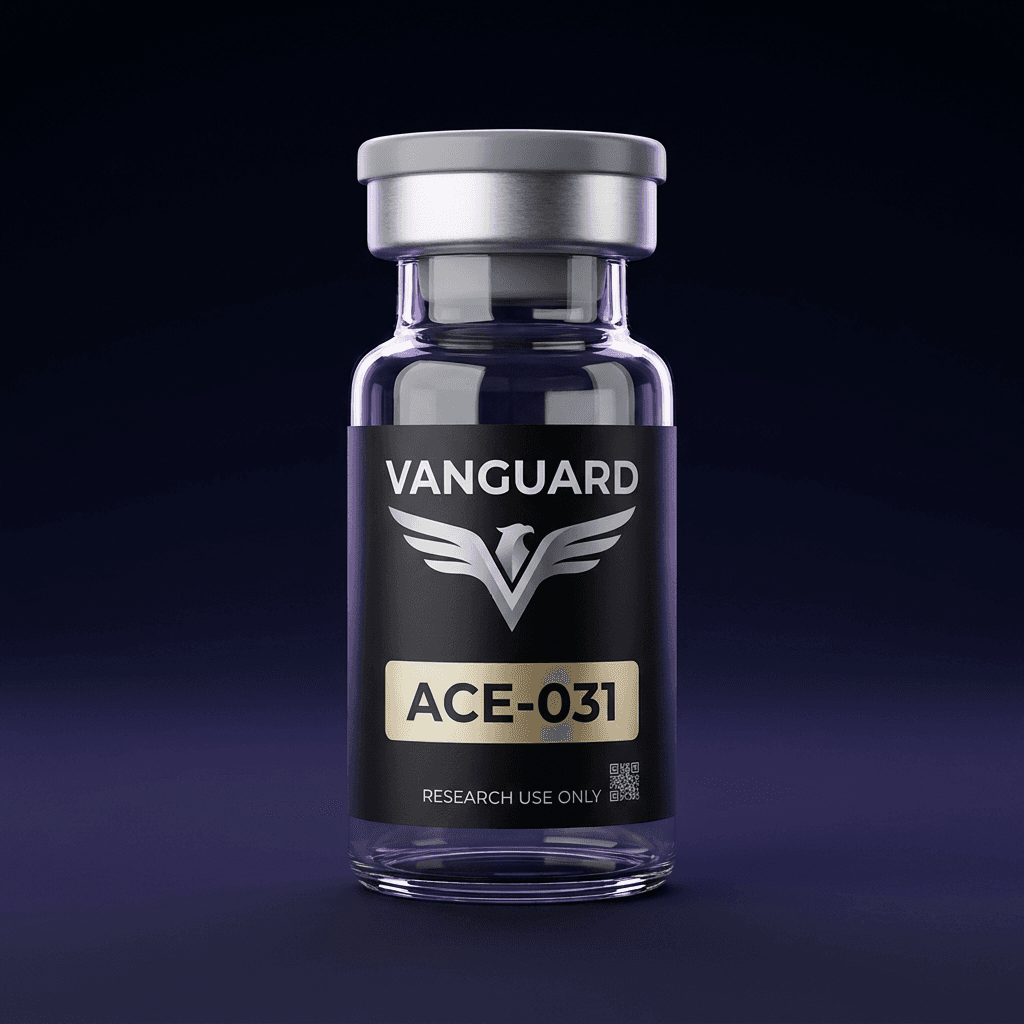
A soluble activin receptor fusion protein studied as a myostatin pathway inhibitor. Clinical development was discontinued after adverse findings in trials.
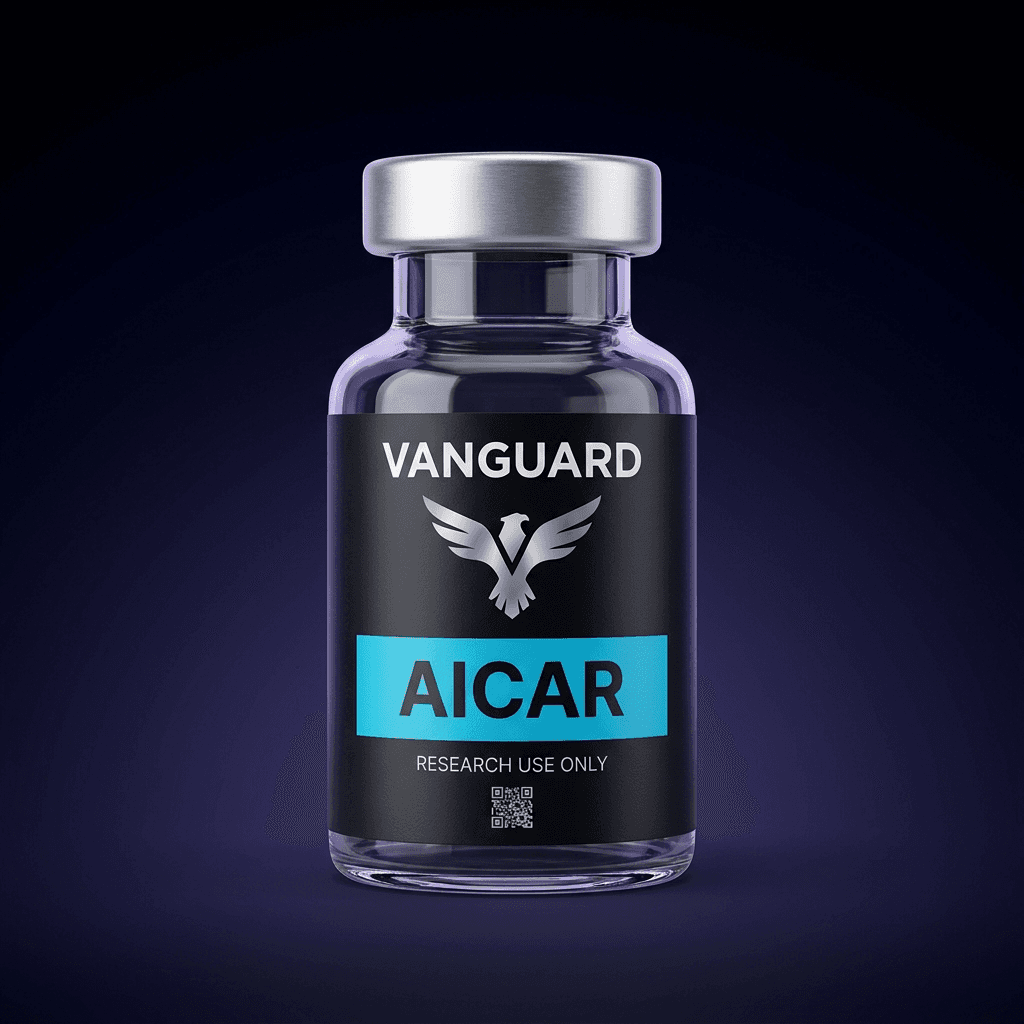
A nucleoside analogue widely used as a laboratory tool compound to study AMP-activated protein kinase signalling.
A peptidomimetic studied in preclinical models for targeted effects on adipose tissue vasculature.
A growth-hormone-releasing peptide studied for its GH secretagogue activity; used diagnostically in some jurisdictions.
One of the earliest studied growth-hormone-releasing peptides, notable in research for pronounced appetite-stimulating effects alongside GH release.
A synthetic hexapeptide GH secretagogue studied for both pituitary and cardiac-tissue effects in research models.
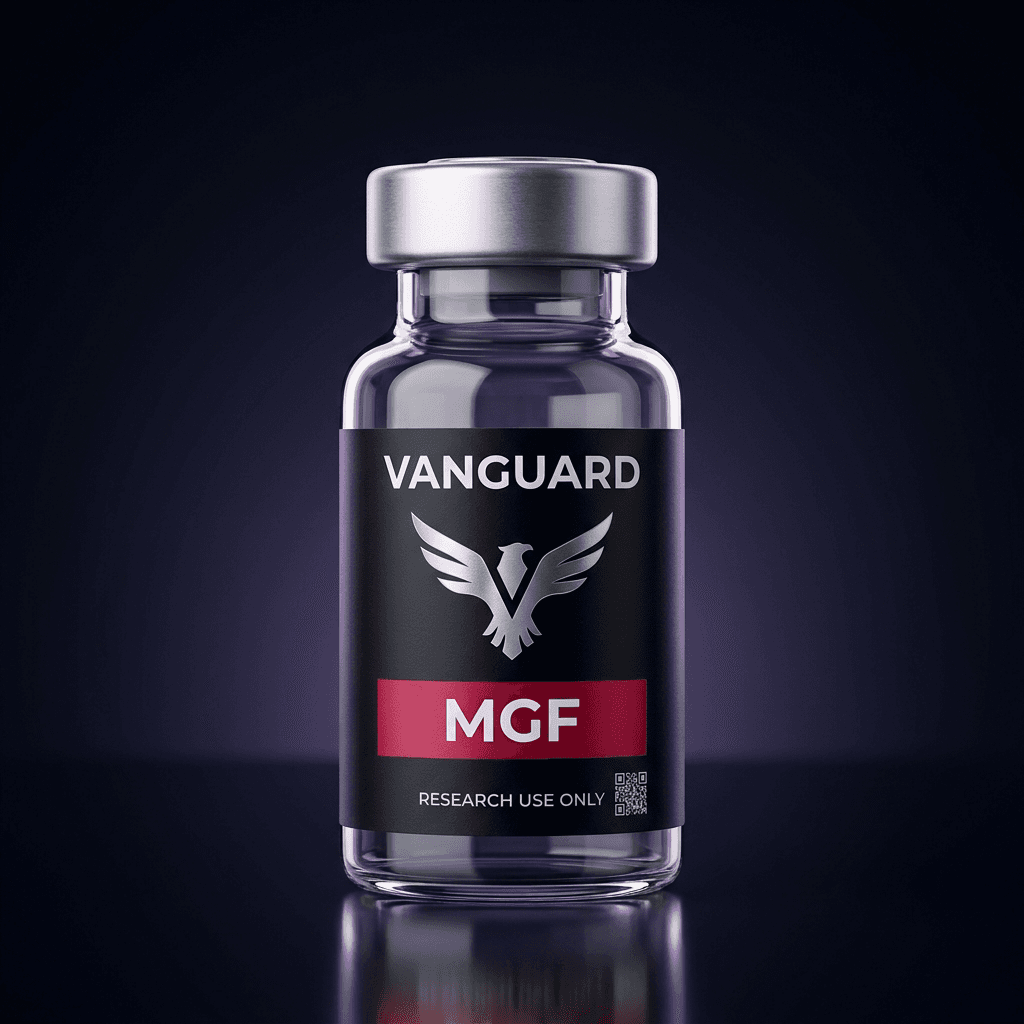
A splice variant of IGF-1 expressed in response to mechanical loading, studied in muscle-repair research models.
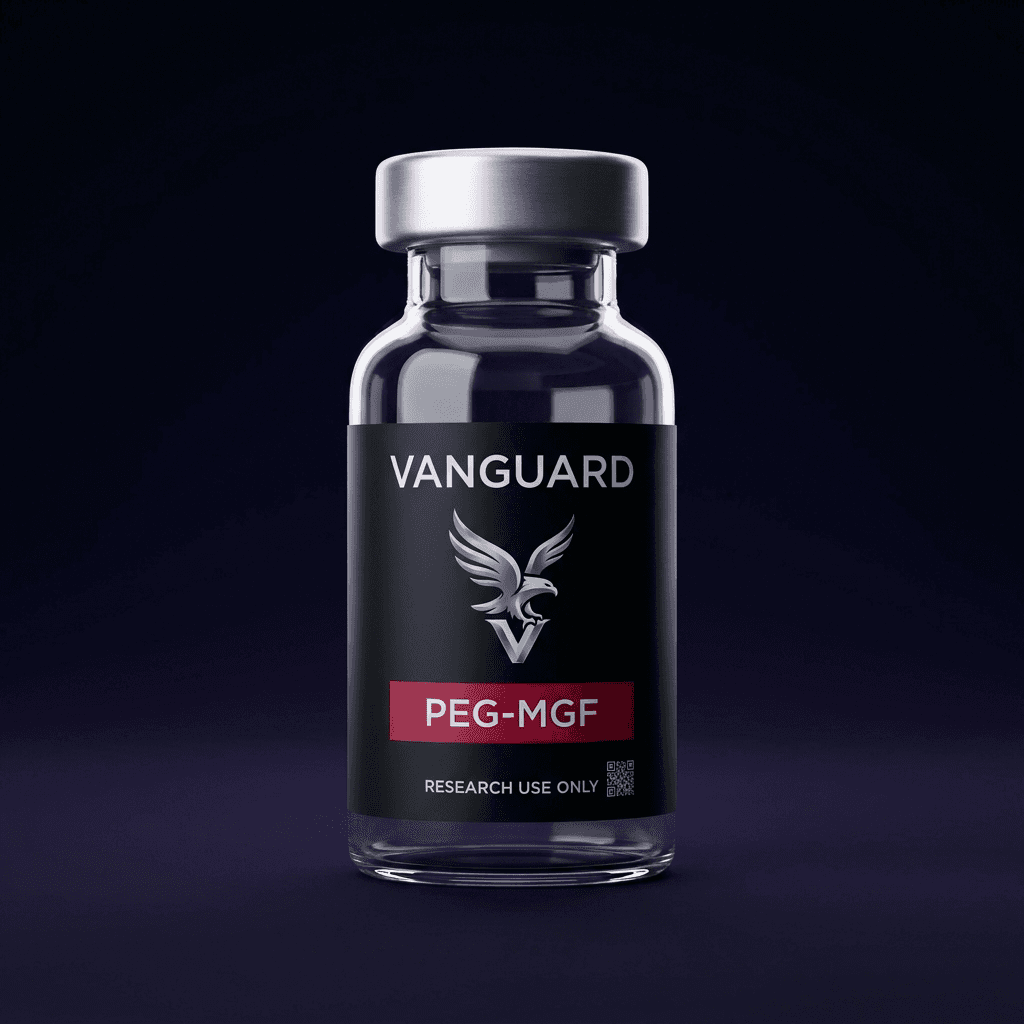
A PEGylated form of mechano growth factor with extended stability compared with the unmodified peptide.
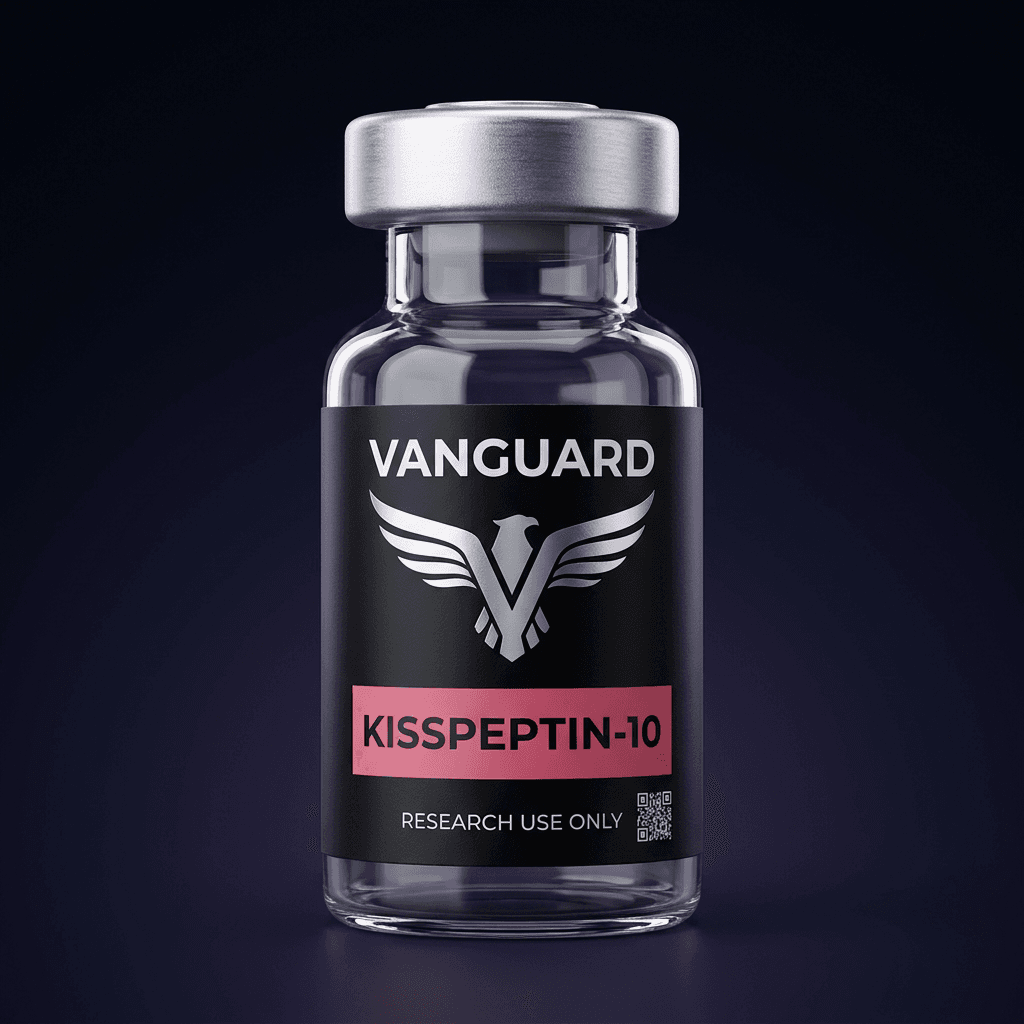
A fragment of the kisspeptin protein studied for its central role in reproductive-axis signalling, including in published human research settings.
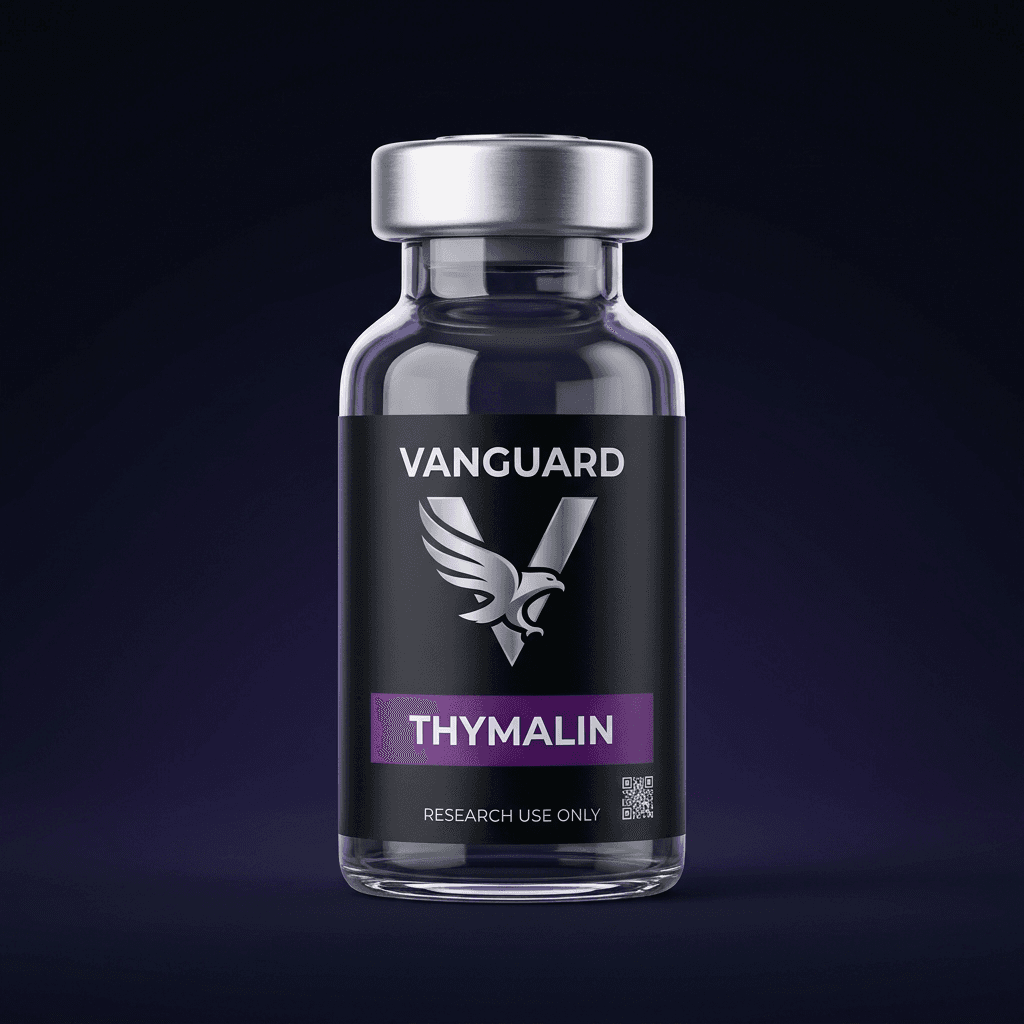
A thymus-derived peptide preparation studied largely in Russian-language literature for immunomodulatory endpoints.
An 11-amino-acid peptide derived from erythropoietin's helix B, engineered to retain tissue-protective signalling without erythropoietic activity.
A 28-amino-acid neuropeptide with broad signalling roles, studied in pulmonary and immune research contexts.
A small-molecule angiotensin IV analogue studied in preclinical models for effects on synaptic connectivity.
A C-terminal fragment of the growth hormone molecule studied in preclinical models for effects on fat metabolism without the growth-signalling activity of intact hGH.
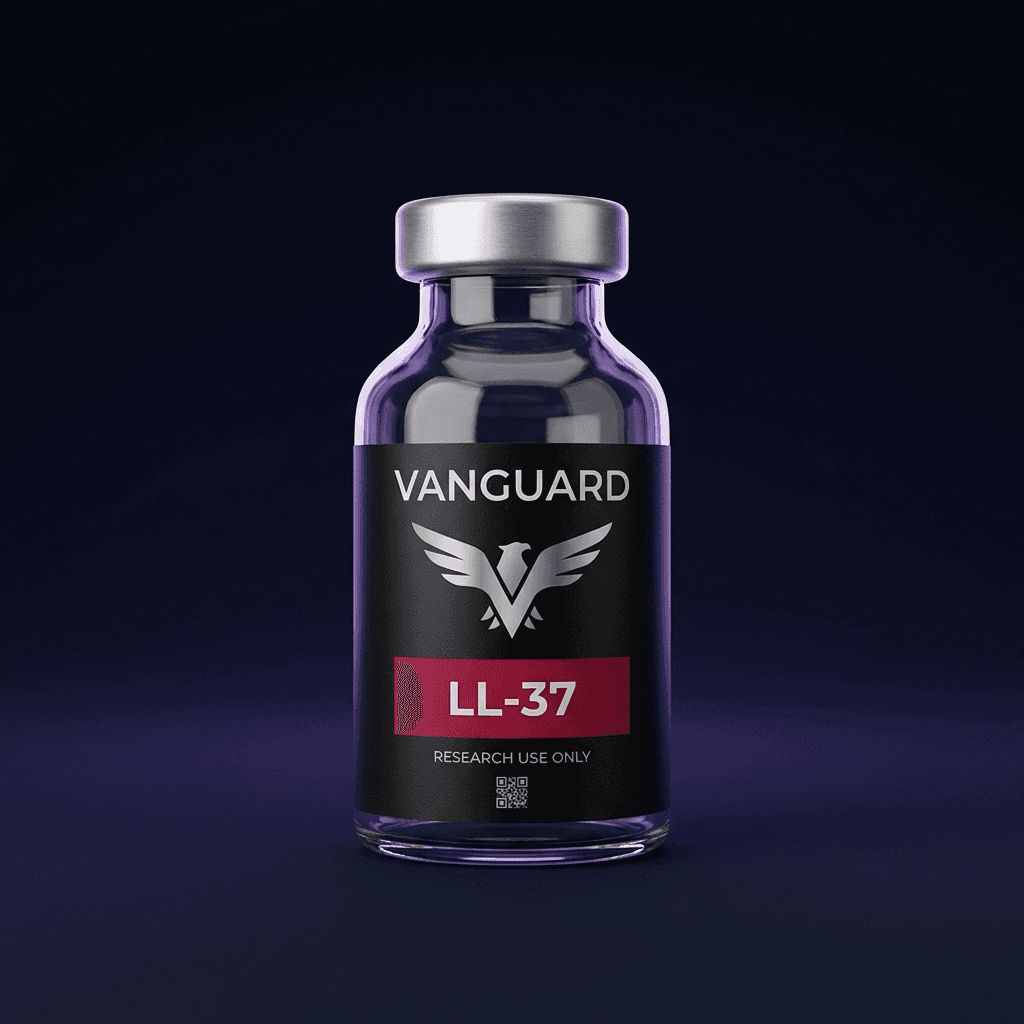
The only known human cathelicidin antimicrobial peptide, studied extensively in innate immunity and wound research.
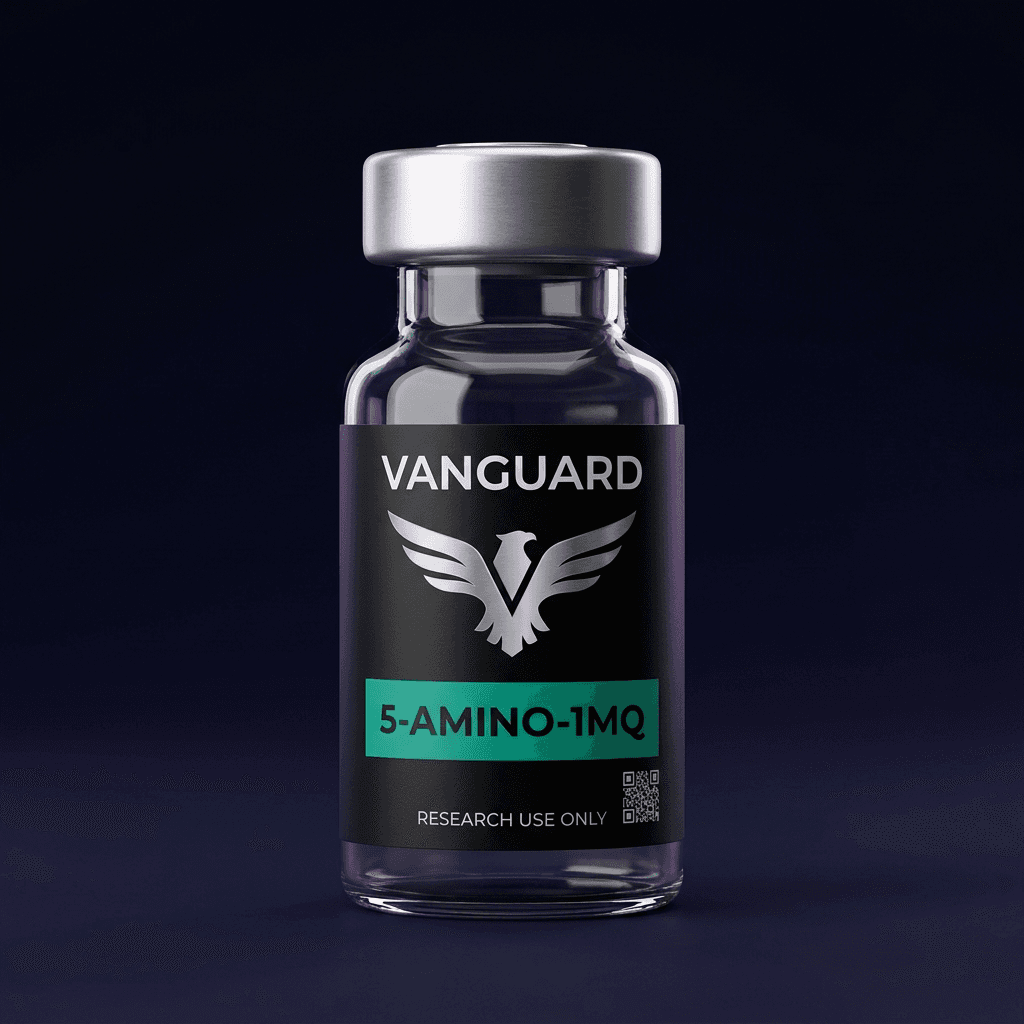
A small-molecule NNMT inhibitor studied in preclinical metabolic models. Not a peptide despite frequently appearing in peptide catalogs.
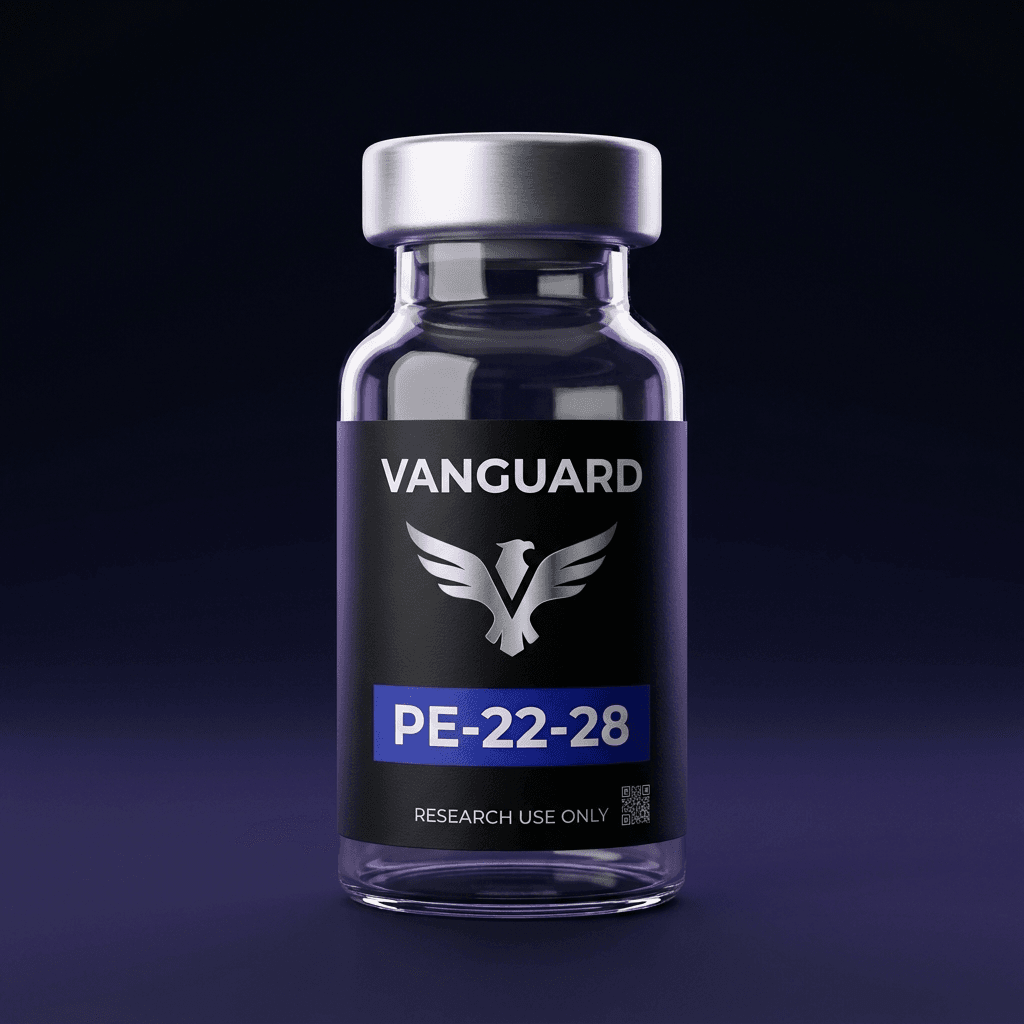
A spadin-derived peptide studied in animal models for effects on TREK-1 channel activity.
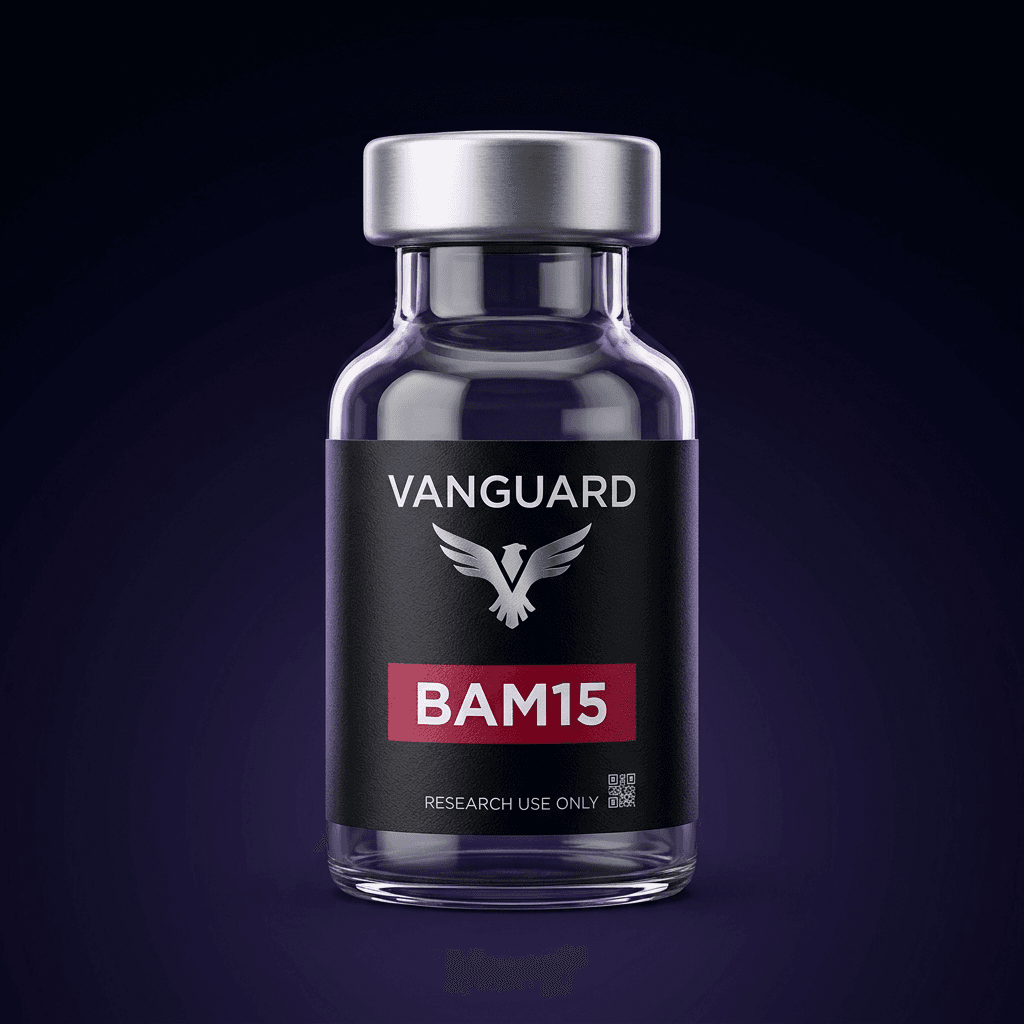
A mitochondrial uncoupling agent studied in preclinical metabolic research as a more selective alternative to older uncouplers.
A peptide derived from a p53 domain fused to a membrane-penetrating sequence, studied in cancer cell-line research.
A retro-inverso peptide studied in preclinical senescence research as a senolytic tool compound.
A small-molecule ERR agonist studied in preclinical models as an exercise-mimetic tool compound.
The myostatin protein itself, a well-characterised negative regulator of muscle mass, supplied as a research protein for laboratory study.
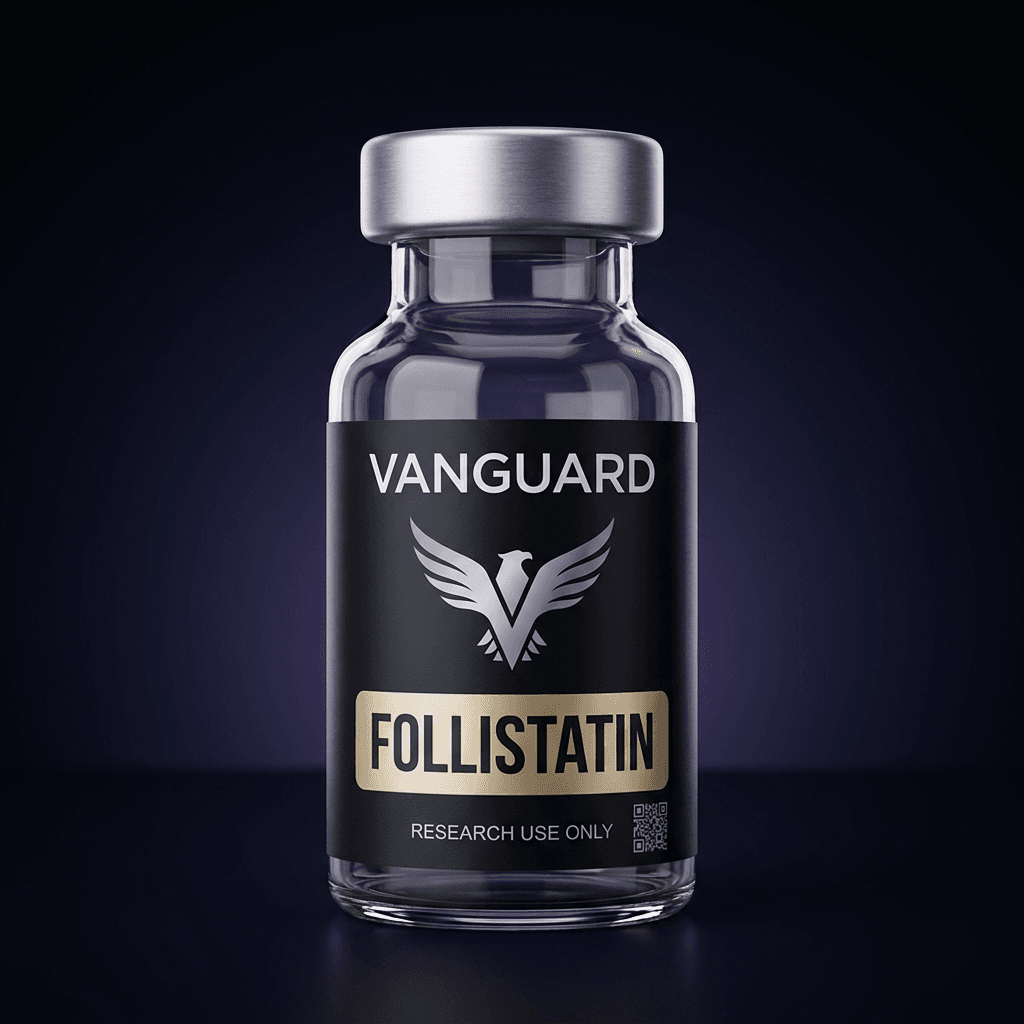
A glycoprotein that binds and neutralises members of the TGF-beta family including myostatin, studied in muscle and reproductive biology.
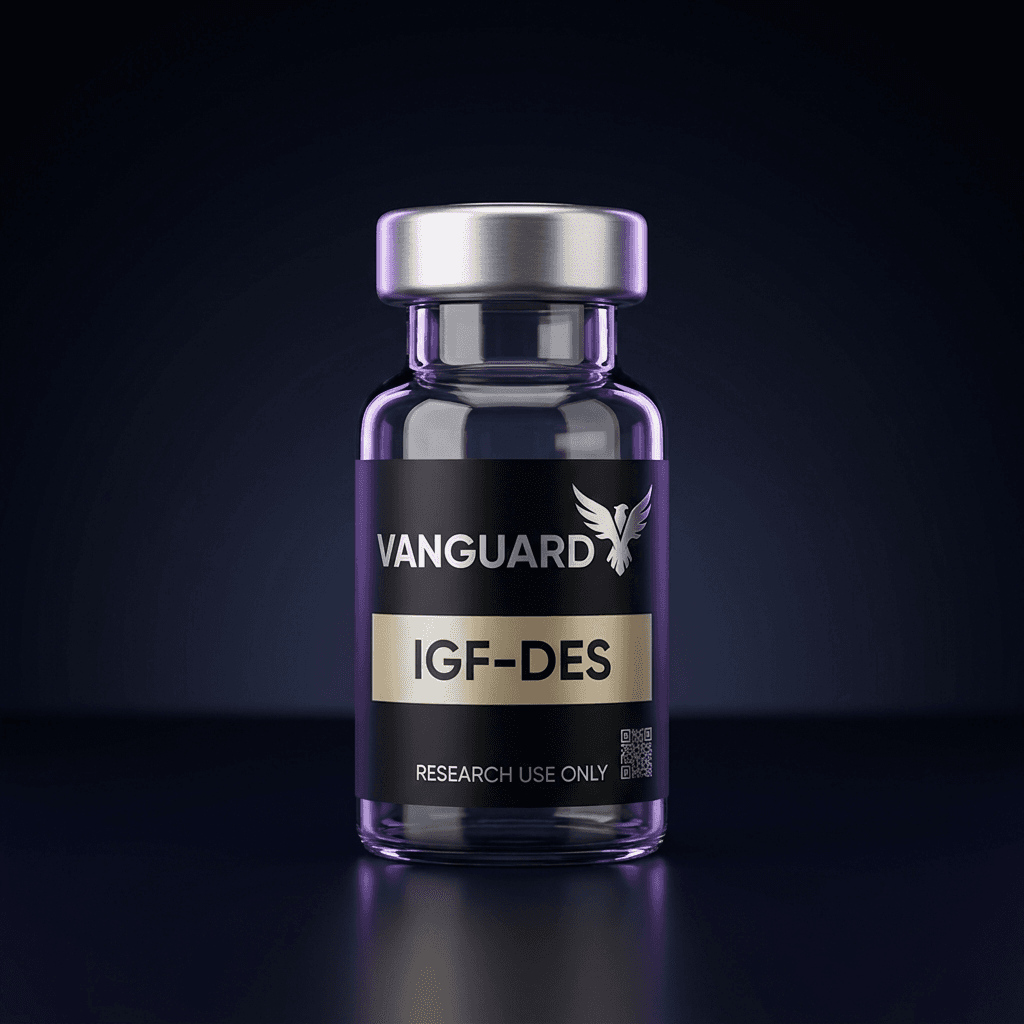
A truncated IGF-1 variant lacking the first three amino acids, giving markedly reduced binding-protein affinity.
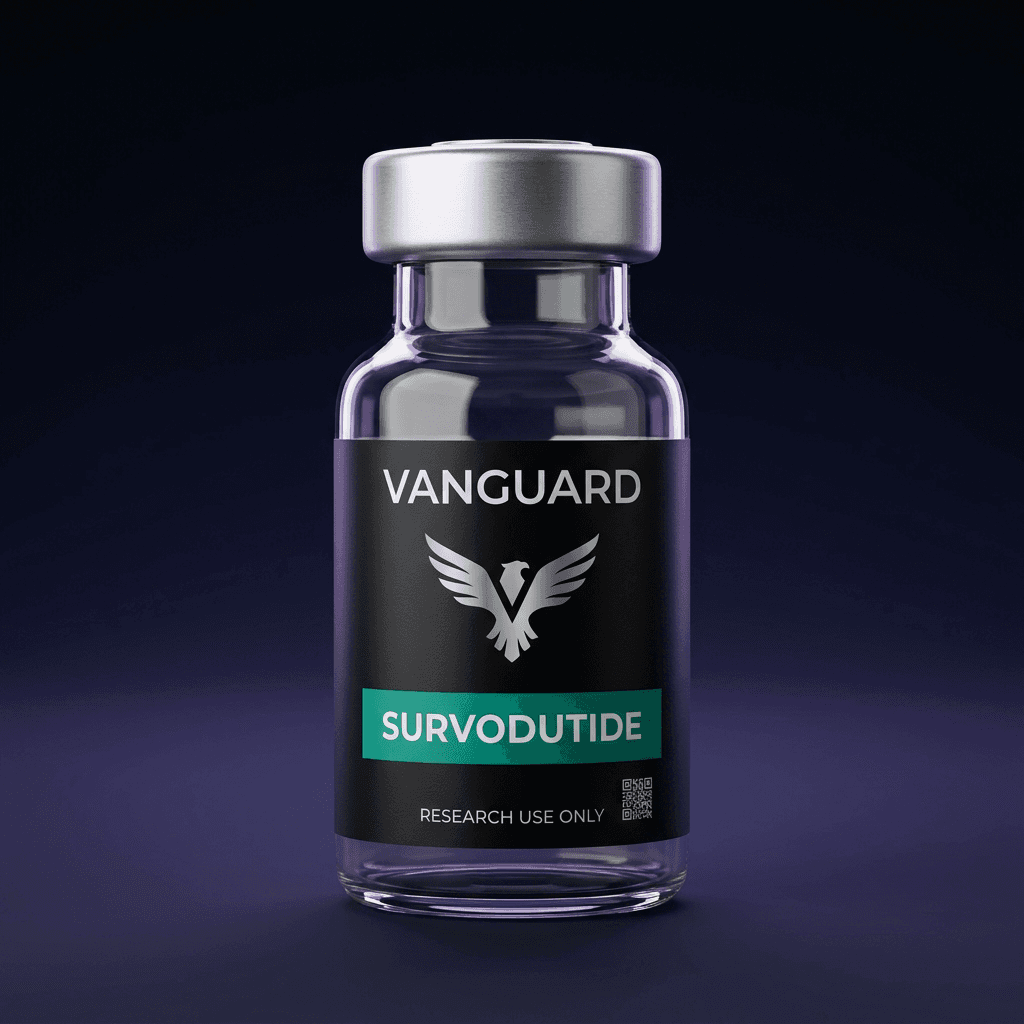
A dual GLP-1 and glucagon receptor agonist under clinical investigation for metabolic research. Not approved by any regulator.
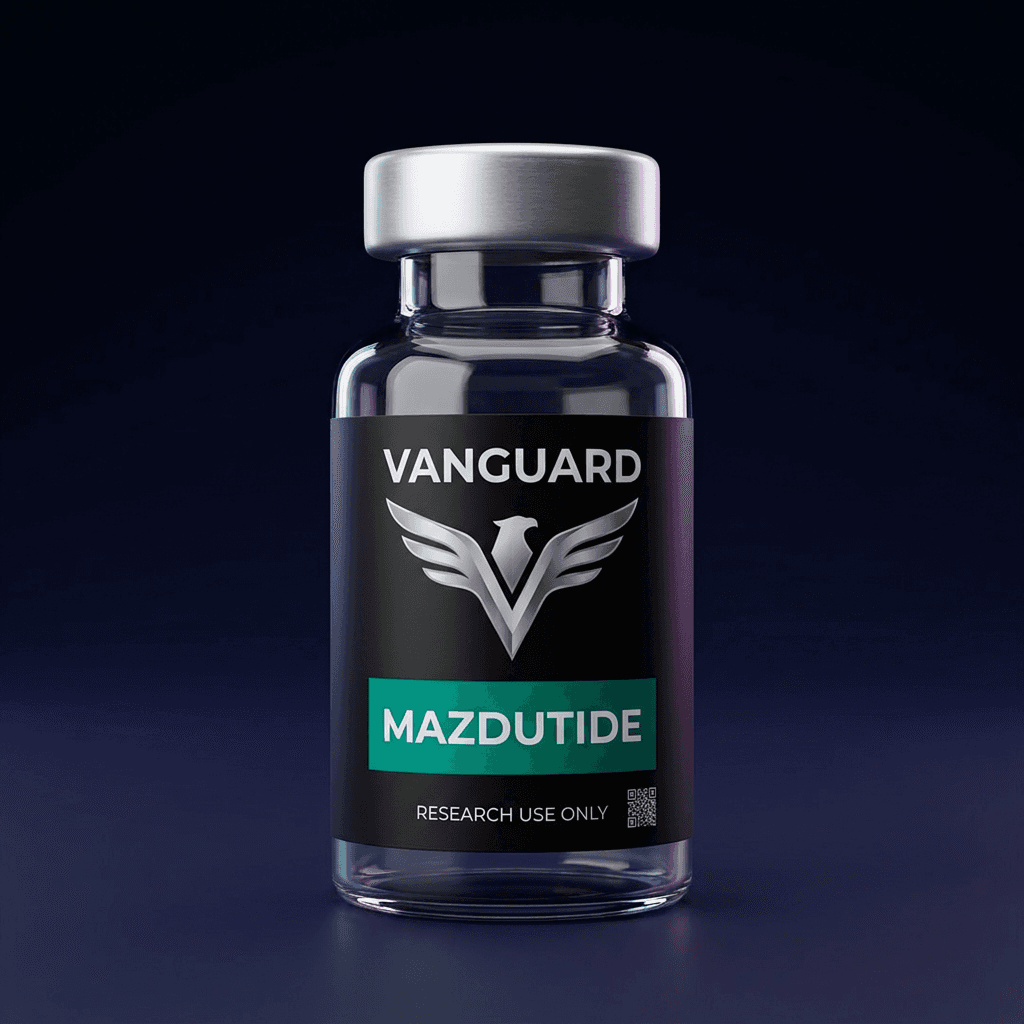
A GLP-1 and glucagon receptor dual agonist based on oxyntomodulin, under clinical investigation primarily in Asian markets.
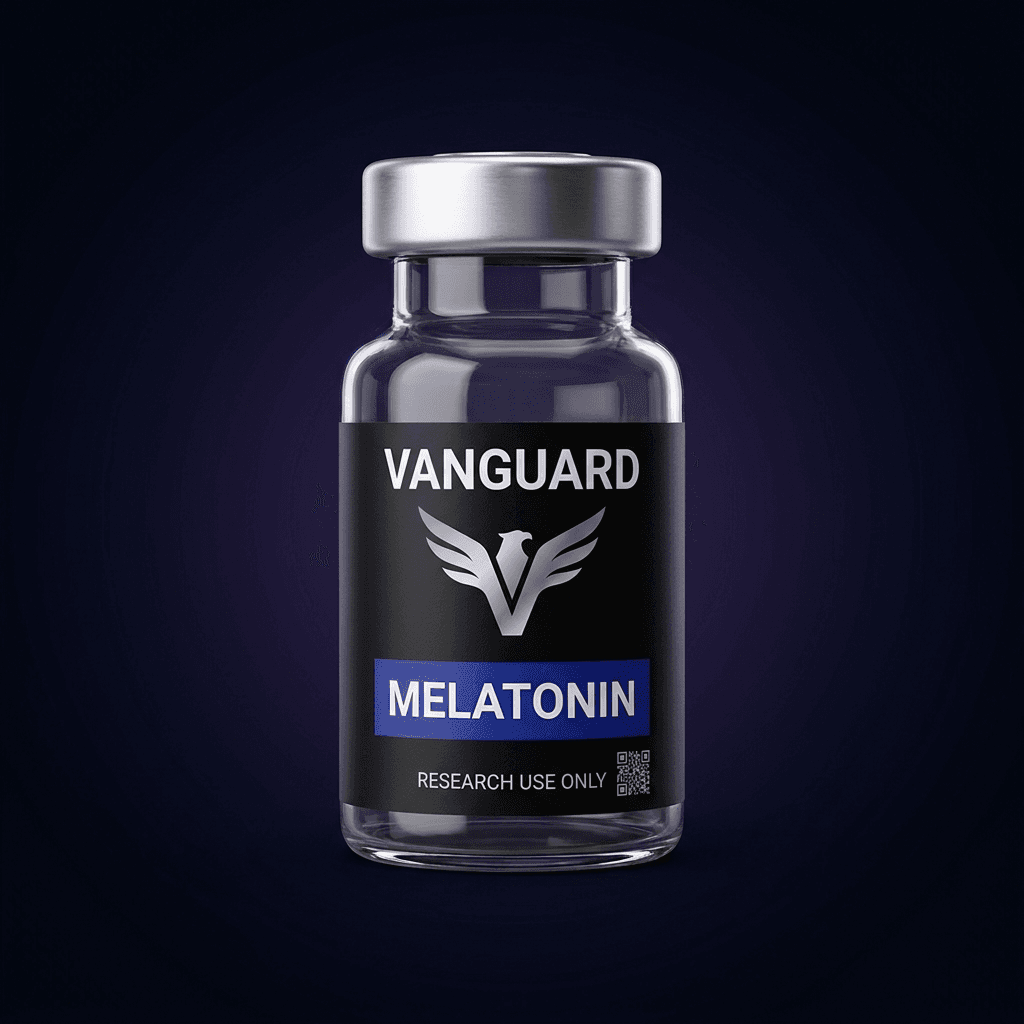
A well-characterised hormone central to circadian regulation. Oral forms are widely available as regulated dietary supplements; this is supplied as research material.
We source specialty compounds for qualified businesses — tell us the spec and we'll quote it.